- Trauma and abuse
- Family and relationships
- Stress and anxiety
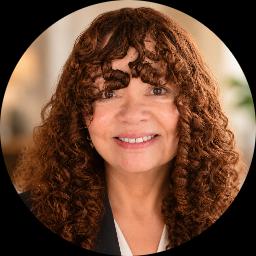
About Rhonda
Rhonda draws on methods that center the person and their strengths. She uses cognitive behavioral ideas to examine patterns of thinking and behavior. She also applies attachment-based perspectives to look at how early relationships affect current connections and reactions.
Her work often addresses family conflict, parenting strain, intimacy and relationship problems, and grief. She also supports people coping with addiction, compassion fatigue, body image concerns, and major life transitions. Rhonda pays attention to how cultural background and personal identity shape each person’s experience.
Sessions emphasize practical steps and clear goals. She helps people develop coping skills for sleep problems, anger, and stress, and supports those facing caregiving burdens, cancer-related stress, or recovery from domestic violence. Her style is collaborative and focused on what will help in daily life.
Rhonda offers guidance that includes mindfulness and solution-focused techniques alongside person-centered care. She believes wellness is a process and works patiently toward lasting change. Prospective clients are invited to start by matching with her and scheduling a first appointment.
How these approaches translate to online work
Acceptance and Commitment Therapy (ACT) helps people notice unhelpful thoughts and choose actions that match their values. It can be useful for anxiety, depression, and coping with life changes. Attachment-Based Therapy looks at how early relationship patterns influence current reactions and closeness with others, and can help with intimacy, abandonment, and relationship struggles. Cognitive Behavioral Therapy (CBT) focuses on identifying and changing unhelpful thought and behavior patterns to reduce symptoms like worry, low mood, and sleep problems.Choosing the right approach is part of the work together. The therapist will talk with the client about goals, preferences, and what feels most helpful. They will try approaches and adjust the plan based on how the person responds, making decisions together in a step-by-step way.
Confirm current session options before booking so you know which formats are available. Online therapy can make it easier to fit sessions into a busy life, reduce travel time, and allow shorter check-ins when needed. It also makes it possible to continue work through transitions and daily challenges without rearranging as much of your schedule.
Frequently asked questions
What concerns does she help with?
She works with stress, anxiety, trauma and abuse, depression, addictions, grief, relationship and intimacy issues, parenting and family conflict, and related struggles.
How would you describe her therapeutic style?
Her style is warm, nonjudgmental, and collaborative. She emphasizes practical coping skills and works with each person to set clear, achievable goals.
What is her professional background?
She is a Licensed Clinical Social Worker with 15 years of experience in mental health settings, including outpatient and community care.
Where is she based and licensed?
She practices in Georgia and holds the credential LCSW as well as CSW as listed.
In which language are sessions offered?
Sessions are offered in English.
Can international clients work with her?
International clients are not currently accepted.
How are sessions scheduled and what do they cost?
Cost varies with location and therapist availability; sessions use a subscription that can be canceled at any time.
How do I begin working with her?
Use the Start Therapy button, complete a short matching questionnaire, and schedule an appointment according to the therapist's availability.