- Trauma and abuse
- Practical strategies
- Goal focused
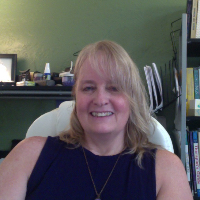
About Rhonda
Rhonda draws on practical, evidence-informed methods such as Cognitive Behavioral Therapy, Solution-Focused Therapy, and Trauma-Focused Therapy. She favors clear, gently guided conversations that focus on realistic goals and small steps people can use between sessions. Sessions are meant to feel collaborative rather than prescriptive.
Her background includes work in psychiatric units and community mental health centers before opening a private practice in 2013. That mix of settings gave her experience with a wide range of concerns, including panic, mood disorders, grief, compassion fatigue, and caregiver stress. She frames progress as gradual and often returns to fine-tune strategies when needed.
Rhonda also uses mindfulness and motivational interviewing techniques when they fit a person's goals. These approaches can help with emotion regulation, motivation for change, and building habits that reduce symptoms over time. Her style emphasizes encouragement, nonjudgmental support, and steady guidance.
Based in South Carolina, she works in English and focuses on practical steps clients can use to manage daily life. People interested in starting can expect a clear conversation about goals and doable steps toward those goals.
How therapeutic approaches translate to online work
Rhonda uses Cognitive Behavioral Therapy to identify unhelpful thoughts and test new behaviors. CBT focuses on small experiments and practical skills that can reduce anxiety, panic, and mood symptoms. Mindfulness Therapy is used to help people notice emotions and bodily reactions without judgment. Mindfulness practices can improve sleep, reduce stress, and make strong emotions easier to manage.Finding the right approach is part of the work together. The therapist will talk with each person about goals, preferences, and what feels most useful. Treatment choices are made collaboratively and can be adjusted as progress is reviewed.
Please confirm which session formats are currently offered before booking since the biography does not list specific formats. Online sessions can make it easier to fit therapy into a busy life, such as shorter check-ins during a break or saving travel time. They also allow people to use techniques and homework between sessions in the context of daily routines, helping new skills become habits.
Frequently asked questions
What kinds of problems does she help with?
She works with people facing stress, anxiety, trauma and abuse, depression, self-esteem struggles, relationship and family concerns, grief, sleep problems, parenting strain, anger, career questions, bipolar disorder, ADHD, and related issues.
What is her therapeutic style like?
Her style is collaborative and goal oriented, using clear, practical steps. Conversations are meant to be supportive and focused on small, achievable changes.
How long has she been practicing?
She has 21 years of experience in mental health, including work in psychiatric units, community mental health centers, and a private practice opened in 2013.
What credentials does she hold and where is she located?
She holds the LPC credential and the LCPC credential and practices in South Carolina.
Can I work with her if I live outside the United States?
Sessions are offered in English and she is not accepting international clients at this time.
What session formats are available?
Please confirm current session options before booking, as formats are not specified in the biography.
How much do sessions cost?
Cost varies with location and therapist availability, and sessions use a subscription that can be canceled at any time.
How do I get started working with her?
Select the Start Therapy button, complete a short matching questionnaire, and schedule according to the therapist's availability.