- Warm listening
- Practical tools
- Trauma and abuse
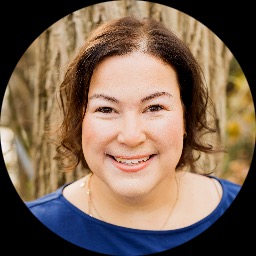
About Rachel
She begins work by listening closely to what matters most to each person. That first focus on the relationship guides how she shapes care. Rachel uses straightforward conversation, gentle challenge, and practical skills so people can try new ways of coping between sessions.
Her approach blends client-centered work, cognitive behavioral techniques, and mindfulness practices. That mix is used to address mood concerns such as bipolar symptoms, grief, sleep problems, and anger, as well as relationship and family stress. She also supports people dealing with ADHD, compassion fatigue, parenting strain, and career or money worries.
Rachel trained at Johns Hopkins University and has worked in both private practice and community-based settings. She holds an LCPC in Maryland and brings years of varied experience to each appointment.
Sessions focus on clear goals and gradual steps people can use in daily life. Rachel works collaboratively to adapt methods to each person's needs, helping clients learn tools for managing symptoms, improving communication, and coping with big transitions.
How Rachel Uses Talk, Skills, and Mindfulness Online
Client-Centered Therapy focuses on listening and building a trusting connection so people feel understood and can bring up what worries them. This approach helps when someone needs a steady, empathetic space to work through emotions and relationship stress.Cognitive Behavioral Therapy, or CBT, teaches practical tools to change unhelpful thoughts and behaviors. It is useful for anxiety, depression, sleep problems, anger, and managing mood shifts by breaking problems into small, doable steps.
Mindfulness Therapy uses simple breathing and attention practices to reduce reactivity and improve focus. These exercises can help with stress, sleeplessness, and emotional overwhelm.
Finding the right mix of approaches is part of the process. Rachel works collaboratively with each person to choose techniques that fit their goals, needs, and daily life. She adjusts methods over time based on what works and what doesn’t.
Session formats are not listed in the biography, so confirm current options before booking. In general, online work can make it easier to fit appointments into a busy schedule, reduce travel time, and allow shorter check-ins when that is useful. Discuss scheduling and the most practical format when arranging your first session.
Frequently asked questions
What concerns does Rachel commonly address?
Rachel works with stress, anxiety, depression, addictions, trauma and abuse, grief, sleep issues, anger, self-esteem, and related life changes.
What is her general therapy style?
She emphasizes a warm, collaborative relationship and uses client-centered conversation alongside cognitive behavioral techniques and mindfulness exercises.
How much clinical experience does she have?
Rachel has 13 years of experience working in both private practice and community-based settings.
What credential does she hold and where is she based?
She holds an LCPC credential in Maryland and practices out of that state.
Which languages are supported for sessions?
Sessions are offered in English.
Can international clients work with her?
International clients are not currently accepted.
How are sessions paid for and what about cost?
Cost varies with location and therapist availability; sessions use a subscription that can be canceled at any time.
How do I begin therapy with Rachel?
Click the Start Therapy button, complete a short matching questionnaire, and schedule according to the therapist's availability.