- Calm and steady presence
- Skill focused work
- Collaborative approach
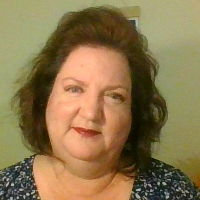
About Rachel
Her style is collaborative and straightforward. She listens first, and then helps clients spot patterns that keep them stuck. Rachel uses practical tools from cognitive behavioral approaches and mindfulness to build coping skills. She also draws on attachment-based ideas to improve how people relate to themselves and others.
Sessions focus on concrete goals and small steps. That might mean learning grounding and emotion-regulation skills, testing new ways of communicating, or changing thoughts that fuel anxiety and depression. Rachel works with career stress, parenting strain, sleep and eating problems, chronic illness, and other everyday challenges that affect how people feel.
She brings 20 years of practice to each case, combining experience with a warm, nonjudgmental approach. Rachel emphasizes working at a pace that fits each person and setting clear, measurable steps toward change. Her background blends several evidence-based methods so she can tailor the work to individual needs.
If you want to explore whether she’s a good match, use the Start Therapy button to complete the short matching questionnaire and schedule based on availability. Sessions use a subscription that can be canceled at any time.
How therapeutic approaches guide online care
Rachel commonly uses cognitive behavioral therapy and mindfulness-based techniques. Cognitive behavioral therapy (CBT) helps identify and change unhelpful thinking and behavior patterns, which can ease anxiety, depression, and stress. Mindfulness therapy teaches simple attention and breathing practices to reduce reactivity and improve focus during upsetting moments.She also draws on attachment-based ideas to look at how early relationship patterns affect current connections and self-worth. Attachment-informed work often helps people understand why they repeat certain patterns and supports new ways of relating to others and themselves.
Finding the right mix of approaches is part of the collaborative process. The therapist will work with each person to pick methods that match their goals, needs, and preferences. Decisions about pacing, homework, and which skills to practice happen together so the plan fits daily life.
The biography does not list specific session formats, so confirm available options before booking. Online therapy can make it easier to fit sessions into a busy schedule, reduce travel time, and allow shorter check-ins when needed. It can also let people practice skills in the context of their everyday routine while working with a licensed professional to track progress.
Frequently asked questions
What kinds of problems does she help with?
She supports people facing stress, anxiety, depression, trauma and abuse, relationship challenges, grief, self-esteem issues, addiction concerns, parenting strain, career transitions, and related areas.
How would you describe her therapy style?
Her style is collaborative and practical. Sessions focus on listening first, then using concrete skills and steps to reduce symptoms and improve daily functioning.
What experience does she have?
Rachel has 20 years of clinical experience working with a wide range of concerns and life stages.
What are her credentials and where is she located?
She is a licensed mental health counselor, LMHC, practicing in Florida.
Can I work with her if I live outside the U.S.?
Sessions are offered in English and international clients are not currently accepted.
What session formats are available?
The original biography does not list specific session formats; please confirm current session options before booking.
How much do sessions cost?
Cost varies with location and therapist availability; sessions use a subscription that can be canceled at any time.
How do I begin working with her?
Click the Start Therapy button, complete the short matching questionnaire, and then schedule according to the therapist's availability.