- Trauma aware
- Practical strategies
- Person centered
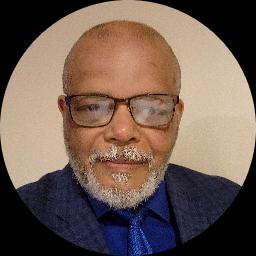
About Paul
Before clinical work he served in the US Army, retiring after a long military career. That background shapes how he listens and offers practical strategies. He describes his approach as person-centered and strength-based, and can include a Christian perspective when a client prefers that lens.
In sessions he focuses on finding the root of a problem and building usable tools. He helps people develop communication skills, manage stress, and set goals that fit day-to-day life. He works with issues such as abandonment, attachment concerns, blended family adjustments, caregiver stress, and impulsivity.
Paul uses several therapeutic methods to guide change. These include attachment-based ideas that look at relationships, cognitive behavioral techniques to shift unhelpful thoughts and behaviors, dialectical behavior strategies for emotional regulation, and mindfulness practices to ground attention.
People who choose him often want direct, practical steps and a respectful, collaborative tone. He aims to help clients increase confidence and build routines that support long-term wellbeing.
Therapeutic approaches and online therapy
Attachment-Based Therapy looks at how relationships shape feelings and behavior. It can help people understand patterns in close relationships and improve how they connect with others and handle conflict.Cognitive Behavioral Therapy, or CBT, focuses on how thoughts, feelings, and actions interact. It offers concrete techniques to change unhelpful thinking and build new habits for anxiety, depression, and stress-related problems.
Finding the right approach is part of therapy. The therapist will work with each person to decide which methods match their needs, goals, and preferences. That choice is collaborative and can change as progress is made.
If you are considering online therapy, confirm the session options before booking. Online work can make it easier to fit therapy into a busy schedule and reduce travel time. It can also allow for shorter check-ins, fewer interruptions from commuting, and more flexibility around work or caregiving routines. Licensed professionals can adapt attachment or CBT techniques to a remote setting while focusing on practical skills and problem solving.
Frequently asked questions
What kinds of problems does he address?
He helps people with stress, anxiety, trauma and abuse, parenting concerns, anger, self-esteem, addictions, relationship and family issues, career problems, depression, coping with life changes, and ADHD.
What is his therapeutic style?
His style is person-centered and strength-focused. He works collaboratively and emphasizes practical life strategies and communication skills.
What experience does he bring to therapy?
He has eight years of clinical experience in mental health and a prior long career in the US Army, which informs his practical approach to problem solving.
Where does he practice and what is his credential?
He is licensed as an LCSW in North Carolina. His practice location is listed as North Carolina.
Which languages are sessions offered in?
Sessions are offered in English.
Can international clients work with him?
International clients are not currently accepted.
How are fees and payment handled?
Cost varies with location and therapist availability; sessions use a subscription that can be canceled at any time.
How do I begin working with him?
Use the Start Therapy button, complete a short matching questionnaire, and schedule according to therapist availability.