- Trauma and abuse
- Mindfulness based
- Values focused
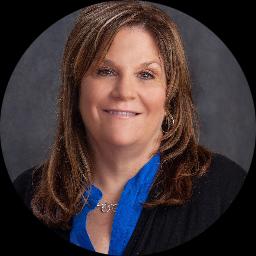
About Pamela
She meets people where they are and focuses on practical steps that can be used between sessions. Her work mixes talk-based, skills-focused, and mindfulness methods to help people manage difficult feelings and patterns. Pamela names straightforward goals with each person and looks for small changes that add up.
Pamela practices from a client-centered place and integrates behavioral and mindfulness tools. That means sessions often include noticing thoughts, practicing new skills, and identifying values that guide decisions. She also draws on acceptance-focused strategies to reduce struggle with painful emotions.
Her background includes long-term clinical work across settings that informed how she approaches anxiety, mood concerns, and trauma-related reactions. Pamela emphasizes a nonjudgmental stance and respects different faiths while noting she practices as a Christian counselor.
If you are managing control issues, communication challenges, codependency, or compassion fatigue, she offers ways to build steadier habits and clearer boundaries. Pamela encourages steady progress rather than quick fixes and collaborates on plans that fit each person’s life and limits.
How these approaches work in online therapy
Acceptance and Commitment Therapy (ACT) helps people notice difficult thoughts and feelings without getting stuck in them. It focuses on clarifying personal values and taking small actions that match those values, which can reduce the hold of anxiety or trauma-related avoidance. Cognitive Behavioral Therapy (CBT) looks at the links between thoughts, feelings, and actions and teaches skills for changing unhelpful patterns. It is often used for anxiety, depression, panic, and stress-related problems. Mindfulness Therapy trains simple attention and breathing practices to quiet overactive worry and improve emotional regulation, useful for overwhelm and anger.Finding the right approach is part of the work. Pamela will collaborate with each person to decide which methods make the most sense based on goals, daily demands, and what feels comfortable. She adjusts tools and pacing as needs become clearer during early sessions.
Confirm the available session formats before you book so you know how she is currently meeting with clients. Online sessions can make it easier to fit therapy into a busy week, shorten commute time, and let people use quieter spaces or phone check-ins when video is difficult. These practical benefits can help maintain consistency and make it simpler to practice new skills between appointments.
Frequently asked questions
What concerns does Pamela commonly address?
She helps people with stress, anxiety, depression, anger, trauma and abuse, grief, addictions, relationship and family concerns, self-esteem, bipolar symptoms, ADHD, and related issues.
How would you describe her therapeutic style?
Her approach is client-centered and practical, using skills training, mindfulness, and acceptance strategies to help people change habits and cope between sessions.
What kind of experience does she have?
Pamela has 15 years of clinical experience working with people across a range of mood, anxiety, trauma, and life-transition concerns.
What credentials and location are listed?
She is a Licensed Clinical Social Worker (LCSW) and practices in Illinois.
In which languages can sessions be conducted?
Sessions are offered in English.
What session formats are available?
Please confirm current session options before booking so you know which formats Pamela offers at the time you schedule.
How are fees and payment arranged?
Cost varies by location and therapist availability; sessions use a subscription that can be canceled at any time.
How do I begin working with her?
Click the Start Therapy button, complete a short matching questionnaire, and schedule according to therapist availability.