- Trauma and abuse
- Relationship concerns
- Grief and loss
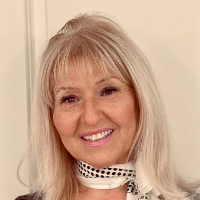
About Nelly
She approaches therapy as a collaborative process. Sessions focus on what is happening now and how past events shape current reactions. She listens without judgment and helps people name painful patterns. Practical coping skills are balanced with deeper work on meaning and identity.
Her background includes long experience with survivors and those affected by domestic and sexual abuse, as well as work addressing grief and complicated relationship conflict. She integrates ideas from several therapeutic traditions to meet each person’s needs. Her methods aim to reduce symptoms and improve everyday functioning while honoring a person’s story.
Clients may work on parenting challenges, communication problems, anger, and stress management. She also supports people dealing with abandonment, caregiving strain, control issues, and life transitions. Sessions can include coaching elements for career and role changes.
People who prefer a warm, nonjudgmental clinician who blends practical tools with reflective exploration often find this style helpful. To begin, readers should use the site’s Start Therapy flow to complete a short questionnaire and schedule based on therapist availability.
How her approaches translate to online care
Client-Centered Therapy focuses on listening and building a trusting relationship. The therapist follows the client’s lead, reflects what she hears, and helps people clarify their goals and values. This approach helps with relationship concerns, self-esteem, and major life decisions.Cognitive Behavioral Therapy (CBT) looks at how thoughts influence feelings and behavior. It uses practical exercises and homework to change unhelpful patterns, which is useful for anxiety, depression, and stress. Existential Therapy addresses meaning, choice, and identity, helping people cope with loss, transitions, and questions about purpose.
Finding the right approach is part of the work. She will collaborate with each person to decide which methods fit their needs and preferences. That plan can change over time as goals evolve and new issues come up.
If you are considering online sessions, confirm the current session formats before booking since the biography does not list specific options. Online therapy can make it easier to fit sessions into a busy week, reduce travel time, and allow shorter check-ins when schedules are tight. Therapists and licensed professionals can adapt talk-based methods and CBT exercises to remote visits, and exploratory approaches can also be done in virtual sessions. Discuss format preferences and practical details during the initial scheduling step to ensure the arrangement suits your life.
Frequently asked questions
What concerns does she commonly address?
She works with relationship problems, trauma and abuse, grief, parenting stress, depression, anxiety, and related issues listed in her specialties.
What is her therapeutic style like?
She combines empathic listening with practical tools and deeper reflective work. Sessions balance coping skills and meaning-focused exploration.
How much clinical experience does she have?
She has 15 years of experience working with survivors of abuse, domestic violence issues, grief, and high-conflict relationships.
Where does she practice and what are her credentials?
She practices in North Carolina and holds the LMFT credential, with licenses noted in multiple states.
Which languages can sessions be held in?
Sessions are offered in English, Armenian, and Persian, and she accepts international clients.
What session formats are available?
The biography does not list specific session formats; please confirm current session options before booking through the Start Therapy flow.
How are fees and payment handled?
Cost varies with location and therapist availability; sessions use a subscription model that can be canceled at any time.
How do I begin working with her?
Click the Start Therapy button, complete a short matching questionnaire, and schedule according to therapist availability.