- Trauma and abuse
- Practical coping skills
- English and Spanish
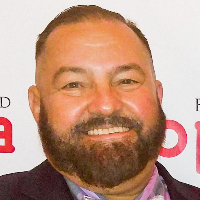
About Moises
He listens without judgment and focuses on what each person needs right now. Sessions tend to center on practical steps people can try between meetings. He encourages clients to build coping skills, manage moods, and strengthen important relationships in everyday life.
Dr. Ramy trained as a psychologist at Carlos Albizu University in Miami and completed a doctoral internship at the Federal Medical Center in Lexington, Kentucky. During that internship he rotated through crisis care and general population clinical units, and completed an elective assessing adolescents in acute suicidal crisis. Those experiences shaped how he manages high-stress situations and complex histories.
Over his career he has worked in prisons, rehabilitation centers, community hospitals, and organizations serving homeless veterans. That background informs a practical, grounded approach aimed at helping people regain a sense of control and direction. He often supports people facing substance issues alongside mood or trauma concerns.
His style is non-directive and empathic, guiding people to discover solutions that fit their lives. Many clients find this helpful when navigating major life changes, identity concerns, parenting challenges, or struggles with intimacy and self-esteem.
How his approaches shape online therapy
Dr. Ramy often combines client-centered work with Cognitive Behavioral Therapy to help people manage symptoms and make small, practical changes. Client-centered Therapy focuses on listening, empathy, and letting the person guide what matters most. Cognitive Behavioral Therapy (CBT) breaks problems into thoughts, feelings, and behaviors and teaches skills to change unhelpful patterns.He also draws on Motivational Interviewing when people feel stuck about change. That approach uses straightforward conversation to clarify goals and strengthen motivation. Together these methods help with depression, anxiety, trauma recovery, addiction concerns, and relationship difficulties by focusing on what the client wants to achieve.
Finding the right mix of approaches is a collaborative process. The therapist will talk with each person about their goals, needs, and preferences and then adjust methods as therapy progresses. Clients are encouraged to try techniques between sessions and report what helps so plans can be revised.
Please confirm the specific online session formats before booking, since the biography does not list them. Online work can make it easier to fit therapy into a busy schedule, shorten travel time, allow quicker check-ins during a workday, or reduce the need to be on camera for some meetings. Licensed professionals can adapt CBT tools, motivational interviewing, and client-centered conversations effectively via distance sessions when those formats are arranged.
Frequently asked questions
What concerns does this clinician address?
He works with stress, anxiety, depression, bipolar disorder, addictions, relationship and intimacy issues, trauma and abuse, LGBT concerns, parenting strain, and related challenges.
What is the therapist's general approach in sessions?
He uses a client-centered, non-directive style that focuses on empathy and collaboration, alongside practical strategies from CBT and solution-focused work.
How long has he been practicing clinically?
He has 32 years of clinical experience working in hospitals, prisons, rehabilitation centers, and community settings.
What credentials and region are listed for this provider?
He is a licensed mental health counselor (LMHC) practicing in Florida and holds a Doctor of Clinical Psychology degree.
Which languages does he use in therapy?
Sessions are offered in English and Spanish, and he accepts international clients.
What session formats are available?
Please confirm current session formats before booking, as the biography does not list specific online or in-person options.
How are fees and payment handled?
Costs vary with location and therapist availability, and sessions use a subscription that can be canceled at any time.
What are the first steps to begin therapy?
Select the Start Therapy button, complete a short matching questionnaire, and schedule according to the therapist's availability.