- Skill focused
- Strengths based
- Goal oriented
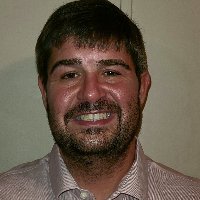
About Marcus
He earned a Master of Social Work from Kennesaw State University in 2015 and has seven years of experience. He has provided services in outpatient mental health and addiction programs, community mental health centers, community and home-based settings, and juvenile and adult correctional centers. That range of settings shaped a practical style that emphasizes skills people can use right away.
Marcus draws on methods such as cognitive behavioral therapy, dialectical behavior therapy, motivational interviewing, solution-focused work, and mindfulness practices. He also brings knowledge of 12-step approaches for substance and process addictions. His sessions typically focus on identifying strengths, building coping skills, and setting small reachable goals.
People often come to him for trauma and abuse, substance use concerns, depression, relationship and communication problems, sleep difficulties, anger, and challenges with attention or mood. Marcus works to create a plan that fits each person’s situation and daily life.
He practices in Georgia and conducts sessions in English. To begin, visitors complete a brief matching questionnaire and then schedule according to the therapist’s availability.
How therapeutic approaches translate to online care
Marcus commonly uses cognitive behavioral therapy and dialectical behavior therapy in straightforward ways. Cognitive behavioral therapy helps people identify unhelpful thoughts and shift behaviors through step-by-step exercises and practice between sessions, which can reduce anxiety and improve mood. Dialectical behavior therapy emphasizes emotion regulation, distress tolerance, and interpersonal skills so people learn practical tools for managing strong emotions and conflict.He also uses mindfulness techniques to help clients notice bodily sensations and thoughts without judgment, which supports stress reduction and improved focus. Finding the right approach is a collaborative process. The therapist will talk with each person about needs, goals, and preferences and adjust methods so the work feels useful and realistic.
Session formats are not specified here, so confirm current options before booking. Online work can make it easier to fit therapy into a busy life - it can reduce travel time, allow shorter check-ins when needed, and make attending during a lunch break or between errands more practical. Many people find skills practice and goal-setting translate well to remote sessions when paired with clear between-session tasks.
Frequently asked questions
What concerns does Marcus help with?
He works with stress, anxiety, addictions, trauma and abuse, depression, sleep problems, anger, self-esteem, ADHD, bipolar issues, grief, relationship and communication problems, and related mood concerns.
What is his therapy style like?
Marcus uses practical, skill-based methods and a strengths approach. Sessions focus on building coping skills and setting small, achievable goals.
How much clinical experience does he have?
He has seven years of experience providing services across outpatient, community, home-based, and correctional settings.
What credentials and region are listed?
He holds LCSW and CSW credentials and practices in Georgia.
Which languages are supported?
Sessions are offered in English and international clients are not currently accepted.
What session formats are available?
Session formats are not specified here; please confirm current session options before booking.
How are fees handled?
Cost varies with location and therapist availability; sessions use a subscription that can be canceled at any time.
How do I start working with him?
Click the Start Therapy button, complete a short matching questionnaire, and schedule according to the therapist’s availability.