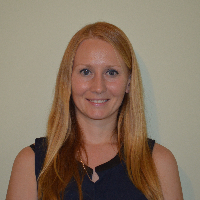
- Trauma and abuse focus
- CBT and mindfulness
- Speaks English and Russian
About Elizaveta
She uses clear, straightforward conversation to help people sort through immediate problems. Sessions often include ways to manage stress, build daily routines, and address sleep and eating concerns. When substance use or compulsive behaviors are involved, she helps clients identify triggers and develop coping tools.
Liza trained in evidence-based Cognitive Behavioral Therapy and practices client-centered methods to keep the work focused on each person’s goals. She also uses Dialectical Behavior Therapy skills and mindfulness techniques to support emotional regulation and present-moment awareness. Trauma-focused ideas appear in her work with people impacted by difficult events.
Her background includes inpatient and outpatient settings where she supported older adults, people with severe mental illness, and those in addiction treatment. That breadth informs how she adapts strategies to different needs and life stages.
In sessions she prioritizes helping people regain a sense of purpose and direction. She encourages small, achievable steps and practical changes that fit day-to-day life. Prospective clients who prefer Russian language support can request sessions in Russian.
How her approaches translate to online therapy
Client-Centered Therapy focuses on listening and following the person’s lead. The therapist offers empathy and reflection so clients can clarify their goals and decide what changes matter most. Cognitive Behavioral Therapy (CBT) teaches practical skills to change unhelpful thoughts and behaviors, which is useful for anxiety, depression, sleep, and eating issues. Dialectical Behavior Therapy (DBT) offers concrete skills for managing intense emotions and improving distress tolerance, helpful when emotions feel overwhelming.Finding the right approach is part of the work. The therapist will talk with each person about their needs, goals, and preferences and together decide which methods fit best. That plan can be adjusted as clients try new strategies and notice what helps.
Confirm the current session options before booking so you know what formats are offered. Online work can make it easier to fit therapy into a busy life - for example, it may be simpler to schedule a check-in during a lunch break or avoid travel time. Some methods, like practicing CBT worksheets or DBT skills, move well into remote sessions and can be used between meetings to support steady progress.
Frequently asked questions
What concerns does she commonly address?
She helps people with stress, anxiety, depression, grief, addictions, trauma and abuse, self-esteem, sleep and eating problems, and related life changes.
What is her therapy style like?
Her style is practical and client-centered, using clear conversation and goal-setting to address immediate problems and build coping skills.
What experience does she bring?
She has nine years of clinical experience working in inpatient and outpatient settings, including addiction treatment and services for older adults and people with severe mental illness.
Which credential and state licensure does she hold?
She is a Licensed Clinical Social Worker, LCSW, licensed in Florida.
Can sessions be conducted in other languages?
Sessions are offered in English and Russian.
Are international clients accepted?
Yes, international clients are accepted.
How is cost handled for sessions?
Cost varies with location and therapist availability; sessions use a subscription that can be canceled at any time.
How do I begin working with her?
Use the Start Therapy button, complete a short matching questionnaire, and schedule according to therapist availability.