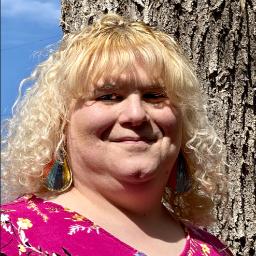
- Client-centered approach
- Trauma focus
- Speaks English and Spanish
About Liz
Her sessions are built around what each person needs in the moment. She blends client-centered work with practical tools from cognitive behavioral therapy and dialectical behavior therapy. Eye Movement Desensitization and Reprocessing is also part of her work for people processing traumatic memories.
Liz keeps language direct and practical. She helps people break problems into small, manageable steps and practices skills in session that can be used right away. For relationship or intimacy concerns she focuses on communication and patterns that repeat over time.
Her background includes long-term work with substance use and LGBTQ concerns alongside trauma-focused care. The biography lists a Master of Science in Clinical and Counseling Psychology and licensure in Florida as an LMHC and a Montana LCPC. She speaks English and Spanish.
People who are juggling life changes, grief, or work burnout often find her style straightforward and calm. Sessions move at a pace each person can handle, with attention to what matters most to them.
Using practical therapies in online sessions
Client-centered work focuses on listening and supporting each person's choices. In online sessions this means the therapist follows the client's lead, helps name priorities, and adjusts the pace to what feels manageable.Cognitive Behavioral Therapy, or CBT, looks at the thoughts and behaviors that keep problems going. In telehealth CBT can include simple exercises and homework to try between sessions, such as tracking thoughts, testing beliefs, and practicing new behaviors.
Eye Movement Desensitization and Reprocessing, or EMDR, is used to help people process distressing memories. When EMDR is used in remote sessions the therapist guides the procedure step by step and checks in often to ensure the person feels able to continue.
Finding the right approach is part of the work. The therapist will collaborate with each person to choose methods that match their goals, needs, and comfort level. That plan can be adjusted as therapy progresses so the fit stays helpful.
Confirm the exact session formats available before booking as the biography notes telehealth use but does not list all formats. Online options can make it easier to fit sessions into busy schedules, allow shorter check-ins when needed, and reduce travel time so therapy can fit around work or family commitments.
Frequently asked questions
What concerns does Liz commonly address?
She helps with trauma and abuse, addictions, anxiety, depression, stress, relationship and intimacy issues, grief, and related concerns such as body image and codependency.
How would you describe her therapeutic style?
Her style is client-centered and nonjudgmental. She combines listening with practical tools from CBT and DBT and uses EMDR when appropriate.
What is her professional background?
She has ten years of clinical experience and a Master of Science in Clinical and Counseling Psychology. Her work has focused on substance use, trauma, and LGBTQ issues.
What credentials and region are listed for this therapist?
The profile lists LMHC and LCPC credentials, with licensure noted in Florida and Montana. The therapist practices from Florida.
Which languages are supported in sessions?
Sessions are offered in English and Spanish.
What session formats are used?
The original biography mentions telehealth use for some methods. Confirm current session options with the service before booking to verify available formats.
How are costs and billing handled?
Cost varies by location and therapist availability, and sessions use a subscription that can be canceled at any time.
How do I begin working with this therapist?
Click the Start Therapy button, complete the short matching questionnaire, and schedule according to therapist availability.