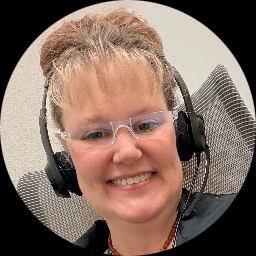
- 23 years experience
- Trauma and abuse focus
- Collaborative care
About Lisa
Her approach is collaborative and flexible. She listens first, then tailors conversations and a plan to each person’s needs. Sessions focus on building practical skills, clarifying values, and reducing symptoms that get in the way of daily life.
Lisa draws on several common therapy methods depending on the situation. She may use Cognitive Behavioral Therapy to identify unhelpful thinking patterns or Acceptance and Commitment Therapy to help people act in line with what matters to them. Attachment-based ideas inform work around relationship patterns and closeness.
Over two decades in practice have included varied settings and many different concerns. That background helps her recognize how stress, life transitions, and past hurts can shape current behavior. She also works with issues such as abandonment, adoption and foster care, caregiver stress, blended family concerns, codependency, and communication problems.
Sessions are guided by the client’s goals and paced to what feels manageable. Lisa emphasizes compassionate, practical steps so people can practice skills between meetings and notice real change over time.
How therapy approaches translate to online work
Acceptance and Commitment Therapy, or ACT, helps people notice difficult thoughts and feelings without getting stuck in them. It focuses on choosing actions that match your values and can be useful for anxiety, stress, and long-term mood concerns. Cognitive Behavioral Therapy, or CBT, looks at the links between thoughts, feelings, and behavior and uses concrete strategies to change patterns that cause distress. It is often helpful for anxiety and mood symptoms. Attachment-Based Therapy centers on how early relationship patterns affect present connections and communication, and it can guide work on trust, closeness, and relational worry.Finding the right approach is part of the work. Lisa will collaborate with each person to choose methods that fit their goals, preferences, and pace. Expect an initial conversation about what you want to change, followed by a plan that blends practical exercises and talk therapy.
The biography does not list specific online session formats, so confirm available options before booking. Online therapy can make it easier to fit appointments into a busy life and reduce travel time. It also allows shorter check-ins when needed, and sessions can focus on skill practice, problem solving, and processing past events just like in-person work.
Frequently asked questions
What concerns does Lisa commonly help with?
She works with stress, anxiety, relationship struggles, trauma and abuse, bipolar disorder, and ADHD. Additional areas include abandonment, adoption and foster care, caregiver stress, and communication problems.
What is her therapeutic style?
Her style is collaborative and person-centered. She listens first, then tailors conversation and practical strategies to each person’s needs.
How much clinical experience does she have?
She has 23 years of professional work experience across varied settings. That history informs how she approaches complex and long-standing issues.
What credentials and location does she hold?
She is an LCSW, licensed in Florida. Her credential is listed as LCSW and the profile locates her practice in Florida.
Which languages are supported?
Sessions are offered in English. International clients are accepted as noted.
What session formats are available?
The original biography does not list specific session formats. Please confirm current session options before booking.
How does pricing work?
Cost varies with location and therapist availability, and sessions use a subscription that can be canceled at any time.
How do I begin working with her?
Use the Start Therapy button, complete a short matching questionnaire, and schedule sessions according to therapist availability.