- Trauma and abuse focus
- Practical coping tools
- Relationship help
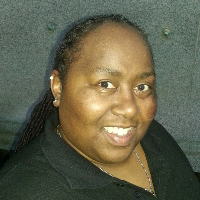
About LaToshia
She has 21 years of experience in mental health and more than 15 years in private practice. LaToshia earned a Master’s degree in Counseling from Webster University and a Bachelor of Science in Psychology from the College of Charleston. She draws on a range of methods and tailors them to each person’s situation.
In sessions she combines listening with hands-on tools. That can mean noticing thoughts and testing them, practicing behavior changes, or learning ways to cope with strong emotions. She also addresses practical issues like communication problems, parenting stress, and life transitions.
LaToshia works with people dealing with abandonment, attachment concerns, domestic violence, and family of origin issues, among other challenges. She also supports those navigating identity and intimacy questions, career stress, or diagnosis-related concerns such as ADHD, bipolar, or depression.
Her mission is to support people who are ready to make changes. She invites clients to set clear goals and try small, doable steps between sessions. The focus is on steady progress and real-life strategies that fit daily routines.
How these approaches work for online care
Client-Centered Therapy focuses on listening and helping people set their own goals. In practice the therapist reflects what a person says and supports choices that feel right for them. Cognitive Behavioral Therapy, or CBT, looks at thoughts and behaviors and teaches steps to change unhelpful patterns. It is often used for anxiety, depression, and stress by practicing new ways of thinking and acting.Finding the right approach is part of the work. The therapist will talk with the client about goals and daily challenges and then suggest which methods to try. That decision is collaborative and can change over time as needs shift.
The profile does not list specific session formats, so confirm current options before booking. Many people use online therapy to fit sessions into a busy life - it can make scheduling easier and help keep progress consistent. Online sessions can be shorter check-ins when time is tight or longer meetings when deeper work is needed. Licensed professionals and therapists adapt exercises, homework, and tools so they work over distance and in between appointments.
Frequently asked questions
What kinds of problems does this therapist address?
Areas of focus include relationship and family concerns, trauma and abuse, anger, stress, anxiety, grief, parenting, self-esteem, and mood disorders such as depression and bipolar.
What is the general therapy style I can expect?
Therapy blends client-centered listening with practical methods like cognitive behavioral and mindfulness techniques to teach coping skills and change unhelpful patterns.
How much experience does the therapist have?
The clinician has 21 years of experience working in mental health and over 15 years in private practice.
What credentials and location are listed for this therapist?
She is a Licensed Professional Counselor (LPC) licensed in South Carolina and holds a Master’s degree in Counseling from Webster University.
Are sessions offered in other languages or internationally?
Sessions are offered in English. International clients are not currently accepted.
What session formats does she offer?
The original biography does not specify session formats; confirm current session options before booking to learn which formats are available.
How are fees and payment handled?
Cost varies with location and therapist availability, and sessions use a subscription that can be canceled at any time.
How do I begin therapy with this clinician?
Start by selecting the Start Therapy button, complete a short matching questionnaire, and then schedule according to therapist availability.