- Trauma and abuse focus
- Client-centered approach
- Practical goal work
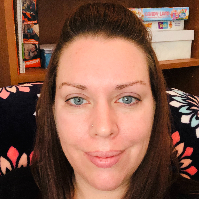
About Katherine
She has worked in mental health and developmental disability settings since 2005 and received full licensure in North Carolina in 2010. Early roles included work in a special education high school in Baltimore and intensive in-home services as a team lead. These settings shaped her skill at working with varied needs and complex family situations.
Since moving into outpatient therapy, she has provided counseling to children and adults around anger, low self-esteem, family separation, anxiety, and traumatic experiences. She draws on Cognitive Behavioral Therapy and trauma-focused approaches alongside client-centered methods. Sessions aim to be interactive and tailored to each person’s goals.
Katherine describes her approach as eclectic with a touch of tough love. She avoids stigmatizing labels and focuses on respect, sensitivity, and clear feedback. Treatment plans are adjusted to fit individual circumstances and priorities.
She also supports concerns related to adoption and foster care, attachment and blended family issues, body image, caregiver stress, codependency, domestic violence, gender dysphoria, and mood disorders. Language of service is English and she practices in North Carolina.
How Katherine’s approaches translate to online work
Client-Centered Therapy focuses on listening and building understanding. The therapist follows your lead, reflects what she hears, and helps you clarify goals and choices. This approach can help with self-esteem, relationship concerns, and life transitions.Cognitive Behavioral Therapy (CBT) looks at how thoughts, feelings, and actions connect. Sessions include practical exercises and simple behavioral steps to reduce anxiety, improve mood, and manage ADHD or mood symptoms.
Emotionally-Focused Therapy (EFT) helps people notice and name emotions and how those feelings shape relationships. It is useful for addressing attachment issues, communication problems, and intimacy-related struggles.
Finding the right approach is part of the work together. Katherine will discuss options and tailor methods to a person’s needs, goals, and preferences. She treats therapy as a collaborative process and adjusts plans when something isn’t helping.
The practical benefits of online therapy include easier scheduling and less travel time, which can make regular sessions more manageable. Online work also lets people use audio-only check-ins when camera time is difficult, or shorter meetings when a quick check-in fits a busy day. The original biography does not list specific formats, so confirm current session options before booking to make sure they fit your routine.
Frequently asked questions
What kinds of problems does she help with?
She works with stress, anxiety, depression, trauma and abuse, ADHD, addictions, relationship issues, grief, and parenting concerns among other challenges.
How would you describe her therapy style?
Her style is interactive and straightforward with a touch of tough love. She combines client-centered listening with practical exercises and goal-focused work.
What is her background and experience?
She has worked in mental health and developmental disability settings since 2005 and has 11 years of post-licensure experience in outpatient and in-home roles.
What credentials and region are listed?
She is a Licensed Clinical Mental Health Counselor (LCMHC) licensed in North Carolina and practices in that state.
Which languages and international clients are supported?
Sessions are offered in English and she accepts international clients.
What session formats are offered?
The original biography does not list specific session formats. Please confirm current session options before booking.
How are costs handled?
Cost varies with location and therapist availability; sessions use a subscription that can be canceled at any time.
How do I begin the process?
Select the Start Therapy button, complete a short matching questionnaire, and schedule according to therapist availability.