- Goal oriented
- Collaborative
- Practical strategies
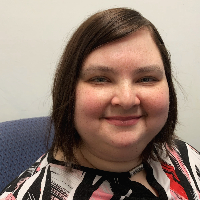
About Karen
Her style is straightforward and collaborative. Sessions are shaped to the person's needs and progress is tracked with short-term goals. She uses Client-Centered Therapy to follow the person's lead and build trust, and Cognitive Behavioral Therapy to notice and change unhelpful thoughts and behaviors.
Her background includes work as a career counselor and later as a mental health counselor. That path gave her experience helping people with career issues, coping with disabilities, family conflict, and trauma. She has worked in settings that included adult counseling and work with family concerns.
In sessions she leaves time at the end to reflect on what helped and what to try next. She brings techniques from solution-focused work and motivational interviewing to create short-term, manageable plans. This makes the work feel practical and oriented toward change.
People who want goal-focused, conversational therapy may find her approach useful. She encourages steady steps and personal growth rather than quick fixes. Prospective clients can review her methods and decide if they fit their needs before scheduling a first appointment.
How her approaches translate to online work
Client-Centered Therapy focuses on listening, empathic reflection, and following the person's concerns. It helps people feel heard and guides sessions around what matters most to them. Cognitive Behavioral Therapy (CBT) uses clear steps to identify thought patterns and try new behaviors; it is useful for anxiety, depression, and many everyday problems. Motivational Interviewing concentrates on helping people find their own reasons to change and build commitment to those choices.Deciding which approach to use is collaborative. The therapist will discuss goals, preferences, and what has helped in the past, then try approaches that match the person's needs. Plans can be adjusted over time based on what is working.
Session formats are not specified in the biography, so confirm current online options before booking. Online work can make it easier to fit therapy into a busy life, require less travel time, allow shorter check-ins when needed, and let people connect from locations that suit their schedules. Licensed professionals can adapt these approaches for remote sessions, using straightforward exercises, goal tracking, and practical takeaways that carry into daily life.
Frequently asked questions
What issues does she help people with?
She supports people dealing with stress, anxiety, depression, trauma and abuse, relationship and family concerns, addictions, grief, parenting strain, and related issues listed in her specialties.
How would you describe her therapy style?
She works in a collaborative, straightforward way and focuses on short-term goals. Sessions are tailored to what each person needs and include reflection at the end of appointments.
What is her clinical background?
She has 14 years of experience and began as a career counselor before moving into mental health counseling, gaining experience with anxiety, trauma, family conflict, and career issues.
What credentials and location details are provided?
She holds LCPC and LMHC credentials and practices in Florida. Her LMHC is listed for Florida and New York, and her LCPC is listed for Maryland.
Which languages are supported for sessions?
Sessions are offered in English.
Does she work with international clients?
International clients are not currently accepted.
How are sessions paid for and what does cost look like?
Cost varies with location and therapist availability; sessions use a subscription that can be canceled at any time.
How do I begin working together?
Use the Start Therapy button, complete a short matching questionnaire, and then schedule according to the therapist's availability.