- Trauma and abuse focus
- Practical coping skills
- Client-centered care
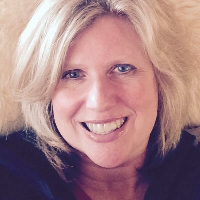
About Karen
Karen brings 33 years of clinical experience to her practice and holds the LCSW-C, LCSW, and CSW credentials. She guides people through transitions like separation, divorce, career change, relocation, and illness. She also supports those coping with grief, trauma and abuse, addiction, stress, anxiety, depression, and questions about life purpose.
Her approach centers on the person in front of her. She uses client-centered listening to understand what matters most, and solution-focused work to set clear, achievable steps. Motivational interviewing helps when someone needs help finding motivation and momentum for change.
Mindfulness tools and trauma-focused methods are used where they fit, with attention to pacing and safety. Sessions emphasize practical coping strategies, self-care routines, and small skills people can try between meetings. The aim is to shift from merely surviving toward a steadier, more confident daily life.
Karen has a long history as a medical social worker and has worked in emergency medicine, critical care, oncology, palliative care, and domestic abuse settings. This background informs her focus on caregivers, healthcare workers, and people facing serious life stressors. To begin, she asks people to describe their current concerns so they can set collaborative goals.
How Karen’s approaches translate to online work
Karen uses client-centered listening to focus on each person's priorities, helping them name goals and decide what matters most. This approach is about following the client's lead and shaping sessions around their concerns and pace.She also draws on solution-focused work and motivational interviewing to break goals into doable steps. Solution-focused work highlights small, concrete changes that can build momentum, while motivational interviewing helps uncover and strengthen personal reasons for change. These methods are often used alongside mindfulness practices to teach simple attention and breathing skills that reduce reactivity and increase calm.
Finding the right approach is a collaborative process. Karen will talk with the client about what feels helpful and adapt methods to match goals and tolerance for change. She aims to build practical tools together and adjust the plan as progress is made.
Session formats are not listed in the profile, so confirm available online options before booking. Online therapy can make it easier to fit sessions into a busy week, allow shorter check-ins when needed, and avoid travel time. It can also let people use practices learned in sessions in the settings where they live and work, making gains easier to apply to daily life.
Frequently asked questions
What concerns does she help with?
Karen works with a wide range of concerns including relationship struggles, trauma and abuse, grief, self-esteem, stress and anxiety, addiction, depression, and career or life transitions.
What is her therapy style like?
Her style is client-centered and goal oriented, mixing solution-focused steps with motivational interviewing and mindfulness tools to produce practical change.
How much experience does she have?
She has 33 years of clinical counseling experience and a long background as a medical social worker in settings like oncology and emergency medicine.
Which credentials and region are listed?
She holds LCSW-C, LCSW, and CSW credentials and practices in New Mexico.
Are sessions offered in other languages or internationally?
Sessions are offered in English, and international clients are not currently accepted.
What session formats are available?
Please confirm current session options before booking, as formats are not specified in the profile.
How is cost handled?
Cost varies with location and therapist availability; sessions use a subscription that can be canceled at any time.
How do I begin working together?
Use the Start Therapy button, complete a short matching questionnaire, and schedule a session based on the therapist's availability.