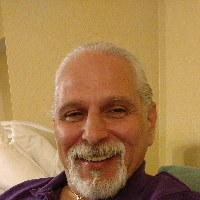
- 20 years experience
- LMHC in Florida
- Addiction focus
About Joel
He uses practical talk therapy to tackle specific problems and patterns. Sessions focus on realistic steps clients can try between meetings, and on unpacking patterns that keep problems repeating. Joel draws on Cognitive Behavioral Therapy to change unhelpful thoughts and behaviors, and on Motivational Interviewing to support people who feel stuck or ambivalent about change.
His background includes years in clinical leadership at residential and outpatient treatment programs. He has run transitional living and outpatient services, overseen adolescent residential care, and led clinical teams across several counties in Florida. That work informs his approach to both addiction and co-occurring mood or trauma-related issues.
Joel and his wife have run a community treatment agency for many years, offering individual therapy and transitional living services, plus interventions for families and friends affected by addiction. His practice emphasizes straightforward goals, clear feedback, and helping clients build habits that fit daily life.
People looking for help with addiction, mood disorders, trauma and abuse, or related life changes will find a clinician who combines years of field experience with a practical, action-oriented style.
How his approaches guide online work
Client-Centered Therapy emphasizes the client's own goals and experience. The therapist listens, reflects, and helps clients name what matters to them so they can set useful goals and move at their own pace. Cognitive Behavioral Therapy (CBT) focuses on identifying unhelpful thoughts and behaviors and trying specific exercises to change them, which can help with anxiety, depression, and addictive patterns. Motivational Interviewing is a collaborative, nonjudgmental method to explore mixed feelings about change and to build internal motivation for next steps.Choosing the right approach is part of the work together. The therapist will talk with the client about their needs, goals, and preferences and will try methods that fit those priorities. If something does not feel helpful, adjustments are made so sessions stay useful and manageable.
The site biography does not list specific online session formats, so confirm current session options before booking. In general, online therapy can make it easier to fit appointments into a busy day, reduce travel time, and allow shorter check-ins when needed. It also gives flexible options for people who prefer not to commute or who need to schedule sessions around work or family obligations.
Frequently asked questions
What concerns does Joel address in therapy?
He works with stress, anxiety, addictions, depression, ADHD, trauma and abuse, grief, relationship and parenting concerns, and related issues like impulsivity and codependency.
What is his therapeutic style like?
Sessions are practical and goal-focused. He uses talk therapy to identify patterns and sets real steps clients can try between meetings.
How long has he worked in this field?
He has 20 years of experience, including clinical leadership roles in residential and outpatient addiction services.
What credentials and where is he licensed?
He holds the credential LMHC, which stands for Licensed Mental Health Counselor, and his license is in Florida.
Which languages are supported for sessions?
Sessions are offered in English.
Does he work with clients outside the United States?
He does not accept international clients at this time.
How does cost and billing work?
Cost varies with location and therapist availability, and sessions use a subscription that can be canceled at any time.
How do I begin the process of working with him?
Choose the Start Therapy button, complete a short matching questionnaire, and then schedule according to the therapist's availability.