- Trauma informed
- Skills focused
- Compassionate care
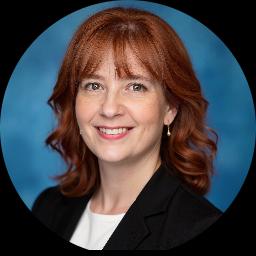
About Jillanne
She has six years of clinical experience helping people through life transitions and workplace stress. She also supports those dealing with relationship struggles, self-esteem concerns, caregiving strain, and the aftermath of loss. Jillanne uses plain language to help people make sense of what they are feeling.
Her work blends several evidence-informed approaches. Sessions often focus on practical skills for managing mood and stress, improving communication, and handling difficult memories. She helps people set realistic goals and practice small changes that fit their day-to-day life.
Jillanne pays attention to each person’s history, values, and beliefs while working at a pace that feels right for them. She emphasizes building resilience and self-compassion so people can recover a sense of hope and direction. The process aims to be collaborative and goal-focused.
If someone wants to begin, Jillanne asks them to describe what feels most urgent and what they hope to change. From there she helps plan steps that feel manageable, whether the focus is coping skills, processing trauma, or improving relationships.
How therapeutic approaches translate to online care
Many people work through anxiety and trauma using Cognitive Behavioral Therapy, which focuses on identifying unhelpful thoughts and testing small behavior changes to reduce symptoms and improve mood. Dialectical Behavior Therapy teaches concrete coping skills for managing strong emotions, distress tolerance, and improving communication in relationships. Eye Movement Desensitization and Reprocessing helps people process distressing memories by pairing focused memory work with specific bilateral stimulation techniques; it is often used for trauma-related symptoms.Finding the right approach is part of the work. The therapist will talk with each person about their goals and preferences, then collaborate on a plan that may combine methods. That collaborative decision helps tailor sessions to what a person needs most, whether skill practice, memory processing, or mood management.
Session formats are not listed in the biography, so confirm available options before booking. Online therapy can make it easier to fit appointments into a busy week, reduce travel time, and allow shorter check-ins when schedules are tight. It can also let people continue work together across moves within the same state when licensure permits. Ask about the specific session options offered at scheduling to find what fits your routine.
Frequently asked questions
What kinds of problems does she help with?
She works with stress, anxiety, trauma and abuse, grief, depression, bipolar, addiction concerns, self-esteem, and relationship or family stress.
How would you describe her therapy style?
Sessions are practical and collaborative, with an emphasis on skill building, emotional understanding, and goal setting to help with daily life.
What is her clinical background and experience?
She has six years of clinical experience and focuses on issues like life transitions, workplace stress, caregiving strain, and processing difficult experiences.
What credentials and location are listed for this clinician?
Credentials shown are LPCC and LMHC, with practice listed in Florida and licensure noted for Ohio LPCC and Florida LMHC.
In which language are sessions offered?
Sessions are offered in English.
Does she work with international clients?
International clients are not currently accepted.
How does payment and cost work?
Cost varies with location and therapist availability; sessions use a subscription that can be canceled at any time.
How do I begin working with her?
Tap the Start Therapy button, complete a short matching questionnaire, and then schedule according to the therapist's availability.