- Person-centered approach
- Practical coping skills
- Trauma and abuse focus
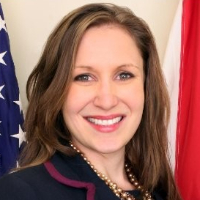
About Jennifer
Jennifer uses a straightforward, person-centered style in sessions. She listens first and helps people name what matters most to them. From there she adds practical skills drawn from cognitive behavioral approaches and acceptance-based ideas. Sessions often include clear explanations and simple exercises to try between meetings.
Her background includes a Master of Arts degree in Art Therapy earned while studying clinical counseling at Eastern Virginia medical training programs, and undergraduate study at Florida State University. Years living as a military spouse exposed her to many life changes and diverse communities, which shapes her perspective on resilience and adaptation.
People who work with her can expect a calm, steady presence and help building skills to manage overwhelming feelings. She aims to increase understanding of how past experiences influence present reactions. Jennifer supports people in developing ways to cope, set goals, and move toward the life they want.
Her practice blends person-centered values with cognitive-behavioral tools, attachment-informed thinking, and emotion-focused work. This mix is used to address abandonment, attachment concerns, caregiver stress, chronic health issues, ADHD-related struggles, and other complex life challenges.
How therapeutic approaches guide online work
Acceptance and Commitment Therapy, or ACT, helps people notice what matters and take small steps toward those values even when feelings are difficult. It emphasizes mindful noticing and practical actions to move forward rather than getting stuck on hard emotions.Attachment-Based Therapy looks at how early relationships shape current reactions and connections. This approach helps people understand patterns in their close relationships and practice new ways of relating that feel safer and more satisfying.
Finding the right approach is a team effort. The therapist will discuss goals, preferences, and what has or hasn't helped before. Together they tailor methods so sessions focus on what the person needs most, whether that means skill practice, emotion work, or understanding attachment patterns.
Confirm the session formats available before booking, as options are not listed here. Online therapy can make it easier to fit sessions into a busy life, reduce travel time, and allow shorter check-ins when schedules are tight. It also supports continued work between appointments through exercises and homework that build daily habits.
Frequently asked questions
What concerns does she help with?
She helps people with stress, anxiety, depression, grief, addiction, relationship strain, and trauma and abuse. Additional areas include ADHD, caregiver stress, body image, and chronic illness challenges.
What is her general therapy style?
Her style is person-centered and collaborative. She listens first, then uses clear explanations and practical exercises from cognitive and acceptance-based views.
How long has she practiced?
She has 21 years of professional experience working in clinical counseling settings and with diverse communities influenced by military moves.
What credentials and region apply?
She holds LMHC and LPC credentials and practices in Florida, including licensure noted as FL LMHC and VA LPC.
Which languages are available for sessions?
Sessions are offered in English.
Can international clients work with her?
International clients are not currently accepted.
How does pricing work?
Cost varies with location and therapist availability; sessions use a subscription that can be canceled at any time.
How do I begin working with her?
Use the Start Therapy button, complete a short matching questionnaire, and then schedule sessions according to therapist availability.