- Client-centered care
- Practical coping skills
- Collaborative planning
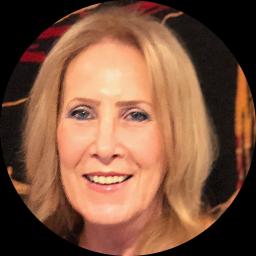
About Janet
Janet creates a warm, nonjudgmental space for people to talk honestly about what’s going on. She focuses on listening first and helping each person name their priorities. Sessions aim to be straightforward and practical so people leave with manageable next steps.
Her approach weaves together client-centered care with cognitive behavioral ideas and solution-focused strategies. That means conversations center on the person’s experience while also looking for thoughts and behaviors that can be shifted. Motivational interviewing is used when people want help finding the energy to make changes.
Janet brings around 30 years of experience working in mental health settings and community care. She uses that experience to tailor plans to each person’s situation, whether the focus is coping skills, improving communication, or addressing deeper patterns from family of origin or past hurt.
People who choose Janet often want a calm, steady therapist who listens and offers clear, practical steps. To begin, she asks people to identify one or two goals to guide the work together.
How Janet’s Approaches Work Online and in Therapy
Client-centered therapy focuses on the person’s experience and feelings. The therapist listens closely and follows what matters most to the client, helping them find their own solutions and direction.Cognitive Behavioral Therapy, or CBT, looks at how thoughts, feelings, and behaviors connect. It helps people spot unhelpful thinking patterns and try small experiments to change behavior, which can ease anxiety, depression, and relationship stress.
Solution-Focused Therapy concentrates on goals and practical steps. Sessions aim to identify strengths and build immediate actions that move a person toward the life they want.
Finding the right approach is a collaborative process. The therapist will talk with the client about needs, goals, and preferences, and together they decide which methods to try and how to adapt them over time.
The biography does not list specific online session formats, so confirm current session options before booking. Online work can make it easier to fit therapy into a busy life - for example, shorter check-ins during a work break or sessions that avoid travel time. Phone sessions may use less data and video sessions let people use visual cues. These practical benefits can help therapy fit into everyday routines while keeping the focus on healing and progress.
Frequently asked questions
What kinds of concerns does this therapy address?
Janet supports people with stress, anxiety, depression, relationship and intimacy issues, trauma and abuse, addictions, grief, self-esteem, sleep and eating problems, and more.
What is her therapeutic style like?
Her style is warm and nonjudgmental, focusing on listening first and then offering practical steps. Sessions mix person-centered listening with goal-focused techniques.
How much experience does she have?
She has about 30 years of professional experience working in mental health and community settings.
What credentials and region are listed?
She is a Licensed Mental Health Counselor (LMHC) licensed in Florida and practices in that state.
In which language are sessions offered?
Sessions are offered in English and international clients are not currently accepted.
What session formats are available?
The original biography does not specify session formats, so confirm current options before booking to know which formats are offered.
How is cost handled?
Cost varies with location and therapist availability; sessions use a subscription that can be canceled at any time.
How do I get started?
Select the Start Therapy button, complete a short matching questionnaire, and schedule according to the therapist's availability.