- Trauma informed support
- Art-based exploration
- Present-focused steps
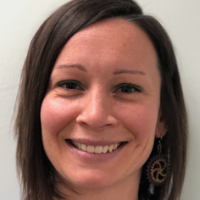
About Hannah
She has seven years as an LPC and more than a decade of broader mental health experience. That background includes work with pregnant mothers, young children and their caretakers, adolescents, parents, and older adults in settings such as schools, community programs, in-home care, and outpatient offices. This variety shapes a flexible, down-to-earth approach in sessions.
Hannah often blends art-based exercises with conversation. Art therapy techniques are used as a way to explore emotions, track change, and try new ways of communicating. Clients do not need artistic skill to benefit from this work; the focus is on discovery rather than finished products.
Her practice pays particular attention to trauma and abuse, anxiety, depression, relationship and parenting concerns, grief, and life transitions. She also addresses issues like ADHD, addiction, codependency, anger, and caregiver stress. Hannah aims to help people find immediate, manageable steps while keeping sight of longer-term goals.
In sessions she uses methods drawn from Acceptance and Commitment Therapy, Attachment-Based work, Client-Centered approaches, Cognitive Behavioral Therapy, and Dialectical Behavior Therapy. The intent is practical support, clearer communication, and steady progress toward the changes a person wants.
How her approaches translate to online therapy
Acceptance and Commitment Therapy (ACT) helps people notice what matters to them and take small actions toward those values, even when feelings are difficult. Cognitive Behavioral Therapy (CBT) focuses on identifying unhelpful thoughts and trying different behaviors to change mood and daily functioning. Attachment-Based work looks at patterns in relationships and how early bonds shape current reactions and closeness with others.Choosing the right approach is a shared process. The therapist and client review goals and preferences, then try methods that fit those needs. Sessions can shift over time as priorities change, so working together helps find what feels most useful.
Specific session formats are not listed here, so confirm available options before booking. Online therapy can make it easier to fit sessions into busy days, reduce travel time, and allow shorter check-ins when schedules are tight. It also supports using art exercises and worksheets during a session without needing to commute. Licensed professionals can adapt these approaches to work well in remote sessions while focusing on practical steps and relationship patterns.
Frequently asked questions
What concerns does she address?
She helps people with stress, anxiety, trauma and abuse, depression, bipolar concerns, addictions, relationship and intimacy issues, parenting challenges, grief, ADHD, and related problems.
What is her therapy style like?
Her style is collaborative and present-focused, using simple, achievable steps alongside creative exercises to help people notice change and build confidence.
How much clinical experience does she have?
Hannah holds seven years as a Licensed Professional Counselor and brings over 16 years of broader mental health experience in varied settings.
What are her credentials and location?
She is a Licensed Professional Counselor (LPC) in Virginia and practices in that state.
Does she offer sessions in other languages or internationally?
Sessions are offered in English and she is not accepting international clients at this time.
What session formats are available?
Current session formats are not specified here; please confirm available options before booking so you know which formats are offered.
How does pricing work?
Cost varies with location and therapist availability; sessions use a subscription that can be canceled at any time.
How do I begin working with her?
Use the Start Therapy button, complete a short matching questionnaire, and then schedule sessions according to therapist availability.