- Trauma and abuse
- Parenting support
- School-related concerns
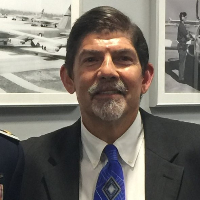
About Douglass
He combines straightforward talk therapy with techniques that teach new ways to handle thoughts and feelings. Sessions often include problem-solving steps, short skill practice, and pausing to notice what is happening in the body and mind. The aim is to create usable tools, not jargon or long lists of theory.
Dr. Lobo has a long record of work with children and teenagers in schools, foster care, and juvenile justice settings, and he consults with several public and charter school systems. That background shapes a practical style that helps parents and guardians manage behavior and school-related concerns. He also works with adults on issues like addiction, ADHD, depression, and coping with major life changes.
People who see him can expect an approach that is respectful and nonjudgmental. He emphasizes listening first, then offering ideas that fit the person's life. Progress can begin in just a few sessions when the focus is clear and steps are small.
Dr. Lobo draws on several therapeutic methods, including client-centered techniques, cognitive behavioral strategies, emotionally-focused work, mindfulness, and motivational interviewing. These tools are used to tailor sessions to each person's needs and goals.
How these approaches shape online work
Client-Centered Therapy focuses on listening and following the person's lead. The therapist reflects, clarifies, and helps people name their concerns so they feel understood and can decide what to change. Cognitive Behavioral Therapy (CBT) breaks problems into thoughts, feelings, and actions and teaches concrete steps to shift unhelpful patterns through short exercises and practice. Emotionally-Focused Therapy (EFT) helps people recognize and name emotions and use that awareness to improve relationships and emotional safety.Choosing the right mix of approaches is a collaborative process. The therapist will talk with the client about goals, preferences, and what has or hasn't helped before. Together they pick methods and set small, measurable steps to try between sessions so progress can be tracked and adjusted.
The biography does not list specific remote session formats, so confirm available options before booking. Online work can make it easier to fit therapy into a busy life - it can reduce travel, allow shorter check-ins during a lunch break, or make sessions possible when travel is difficult. Some approaches lend themselves to brief homework tasks or mindfulness practices that are easy to do between appointments, helping therapeutic work continue between sessions.
Frequently asked questions
What concerns does this therapist help with?
Areas include stress, anxiety, trauma and abuse, parenting, ADHD, addictions, depression, relationship and intimacy issues, sleep problems, and career or life-purpose questions.
What is the therapy style like?
The approach is practical and down-to-earth, combining listening with actionable steps such as behavior strategies, mindfulness practice, and brief skill work.
How much experience does this therapist have?
He has 30 years of clinical experience working in schools, foster care, juvenile justice settings, and private practice.
What credential and location information is available?
He is a Licensed Mental Health Counselor, listed as FL LMHC, and practices from Florida.
Which languages are sessions offered in?
Sessions are offered in English and international clients are accepted.
What session formats are available?
The original biography does not specify session formats; please confirm current session options before booking.
How is cost handled?
Cost varies with location and therapist arrangements; sessions use a subscription that can be canceled at any time.
How do I begin working with this therapist?
Use the Start Therapy button, complete a short matching questionnaire, and then schedule according to therapist availability.