- Anxiety and depression
- Relationship focus
- Evidence-based methods
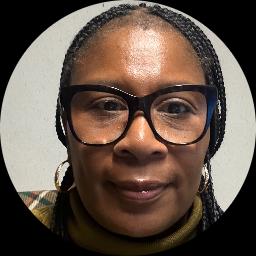
About Dorothy
Dorothy centers her work on evidence-based therapeutic techniques and a person-centered style. She talks with clients about anxiety, depression, stress, and addiction in simple, practical terms. Relationship and family concerns are also common topics, including communication problems, blended family issues, and family of origin wounds.
Trauma and abuse are among her stated focus areas, and she helps people who are struggling with shame, isolation, and attachment problems. Dorothy also supports people facing life changes such as divorce, fertility challenges, caregiving stress, chronic illness, or career transitions. She frames these struggles as experiences to be understood and worked through together.
Her sessions emphasize collaboration and culturally responsive care. Dorothy helps clients identify patterns that no longer serve them and develop concrete strategies to manage emotions and build self-esteem. She offers steady support while respecting each person’s identity and background.
In therapy she balances validation with practical tools. Expect to talk through immediate concerns and practice skills that fit your daily life. The goal is to leave sessions with steps you can try between meetings and to move toward clearer, more manageable routines.
How therapeutic approaches translate to online work
Evidence-based techniques form the foundation of Dorothy's practice. One common approach she uses focuses on grounding and skills practice to reduce anxiety and manage mood swings; this involves learning short exercises and clear steps that can be practiced between sessions. Another useful approach addresses attachment and relationship patterns by mapping interpersonal dynamics and practicing new communication strategies to improve connection and reduce conflict.Finding the right approach is part of the work together. Dorothy collaborates with each person to choose methods that fit their needs, goals, and preferences. She checks in regularly and adjusts strategies based on what helps most in day-to-day life.
Practical benefits of online therapy often include easier scheduling and fewer travel barriers, which can help sessions fit into busy routines. Online work can also make it simpler to maintain continuity during life transitions or when living in a different area; since the biography does not list specific session formats, confirm current options before booking. The focus remains on usable tools, clearer communication, and steps you can try between meetings to make progress.
Frequently asked questions
What concerns does Dorothy commonly help with?
She works with stress, anxiety, depression, and addictions, as well as relationship and family issues. Trauma and abuse are also listed among her focus areas.
What is her therapy style like?
Her approach is collaborative and person-centered, using evidence-based therapeutic techniques while keeping conversations practical and straightforward.
How much clinical experience does she have?
She brings eleven years of clinical experience to her practice and draws on that background when helping people manage complex emotional concerns.
What credentials and region are listed?
She holds the credential LCSW and CSW and practices in North Carolina.
Which languages are supported for sessions?
Sessions are offered in English, and she accepts international clients.
What session formats are available?
Session formats are not specified in the biography; please confirm current session options before booking.
How are fees and billing handled?
Cost varies with location and therapist availability, and sessions use a subscription that can be canceled at any time.
How do I begin working with her?
Start by selecting the Start Therapy button, completing a short matching questionnaire, and scheduling according to therapist availability.