- Client-centered care
- 20 years experience
- Focus on trauma
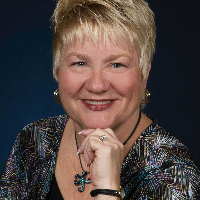
About Deborah
Deborah has worked in community mental health, private practice, and residential substance abuse settings. That range gives her experience with people facing panic attacks, post-traumatic stress, substance use concerns, and life transitions. She emphasizes that people are not broken and that therapy can help strengthen the parts of themselves that still work.
Her style mixes cognitive techniques with client-centered and mindfulness approaches. She avoids one-size-fits-all plans and instead adapts methods to what each person needs. Sessions focus on clear goals, practical skills, and steps a person can take between meetings.
Deborah sees the counseling relationship as a partnership. Together the client and she build a plan that matches the client's goals and values. She aims to help people rediscover calm, improve relationships, and manage everyday pressures.
Practical matters are kept simple. Sessions use a subscription model that can be canceled at any time. Prospective clients start by using the Start Therapy button, completing a short matching questionnaire, and scheduling according to the therapist's availability.
How her approaches translate to online work
Deborah combines client-centered therapy, cognitive behavioral therapy (CBT), and mindfulness in ways that work well across settings. Client-centered therapy means the conversation starts with the person's concerns and goals, and Deborah follows the client's lead to build trust and understanding. CBT focuses on spotting thought patterns and practicing new behaviors to reduce anxiety, depression, and panic symptoms. Mindfulness therapy teaches simple awareness and breathing skills to reduce reactivity and improve emotional regulation.Choosing the right approach is a collaborative process. Deborah works together with each person to figure out which techniques feel most helpful. She checks in about goals and adjusts strategies over time so sessions stay relevant and doable.
If you are considering online therapy, confirm available session options before booking. The profile does not list specific session formats, so ask which formats are offered when you start. Online sessions can make it easier to fit counseling into a busy life - shorter check-ins, scheduling around work, or avoiding travel to appointments. They also let clients practice techniques in the settings where they live and work, which can help skills transfer into everyday routines.
Frequently asked questions
What concerns does she help with?
She works with stress, anxiety, depression, addictions, trauma and abuse, grief, relationship and intimacy issues, and related concerns such as panic, shame, and life transitions.
What is her therapeutic style like?
Her style blends client-centered listening with cognitive and mindfulness techniques. She focuses on practical steps and tailored plans rather than one-size-fits-all methods.
How much experience does she have?
She has 20 years of clinical experience across community mental health, private practice, and residential substance abuse settings.
What are her credentials and location?
She is a licensed mental health counselor, LMHC, licensed in Florida and sees clients based in that state.
Which languages are supported?
Sessions are offered in English.
Are international clients accepted?
She is not currently accepting international clients.
How are sessions paid for?
Sessions use a subscription model that varies with location and therapist availability and can be canceled at any time.
How do I begin therapy with her?
Click the Start Therapy button, complete a short matching questionnaire, and schedule based on the therapist's availability.