- Trauma and abuse
- Stress and anxiety
- Client-centered care
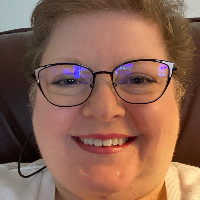
About Cynthia
She draws on client-centered therapy and cognitive behavioral methods to build plans that match each person's goals. Sessions aim to be collaborative, with the therapist and client choosing tools together. Cynthia helps people handle stress, anxiety, depression, grief, relationship strains, parenting challenges, sleep problems, addictions, and trauma and abuse concerns.
Her approach avoids labels and stigma and instead emphasizes listening and understanding. She uses techniques from dialectical behavior therapy, mindfulness, and motivational interviewing when they fit a person’s needs. The emphasis is on simple, usable skills people can try between sessions.
Cynthia has worked in many settings over her career and has supported people facing career shifts, caregiver stress, blended family issues, abandonment, adoption and foster care concerns, and first responder stress. She also addresses issues related to aging, cancer, divorce, codependency, and forgiveness.
Her goal is to help people take practical steps toward a more fulfilling life. If someone is ready to begin, Cynthia works with them to make a plan that fits their situation and priorities.
How Cynthia’s approaches translate to online therapy
Cognitive Behavioral Therapy helps people notice unhelpful thoughts and try small behavior changes to feel better. It is often used for anxiety, depression, sleep issues, and coping with life changes. Client-Centered Therapy focuses on listening, respect, and helping people find their own solutions, which can make sessions feel steady and supportive. Dialectical Behavior Therapy offers practical skills for handling intense emotions and improving relationships and can be useful when stress or anger feels overwhelming.Finding the right approach is a collaborative process. Cynthia works with each person to pick methods that match their goals, preferences, and daily routines. She combines listening with concrete tools so people leave sessions with things to practice between meetings.
Confirm the available session formats before booking because the biography does not list them. Online therapy can make it easier to fit sessions into a busy week, reduce travel time, or use shorter check-ins when needed. It can also let people keep therapy consistent when life requires flexibility. Licensed professionals can adapt these approaches to work well in virtual settings while focusing on practical steps that fit everyday life.
Frequently asked questions
What concerns does she help with?
Cynthia supports people with stress, anxiety, depression, grief, relationship and parenting issues, addictions, sleep problems, and trauma and abuse among other concerns.
What is her therapy style like?
Her style is warm and inviting, avoiding labels and stigma. She focuses on listening and working together to build a plan that fits each person.
What experience does she bring?
She has 25 years of experience as a therapist and counselor across a variety of settings and has helped people with a wide range of life challenges.
What credentials and location apply?
She holds the LICSW and LCSW credentials and practices from Alabama; the credentials listed are AL LICSW and FL LCSW.
In which languages can sessions be held?
Sessions are offered in English and she accepts international clients.
Which session formats are provided?
Please confirm current session formats before booking, as the biography does not specify which formats are used.
How are session costs handled?
Costs vary with location and therapist availability; sessions use a subscription that can be canceled at any time.
How do I begin working with her?
To get started, select the Start Therapy button, complete a short matching questionnaire, and schedule according to therapist availability.