- Trauma and abuse
- Stress and anxiety
- Practical strategies
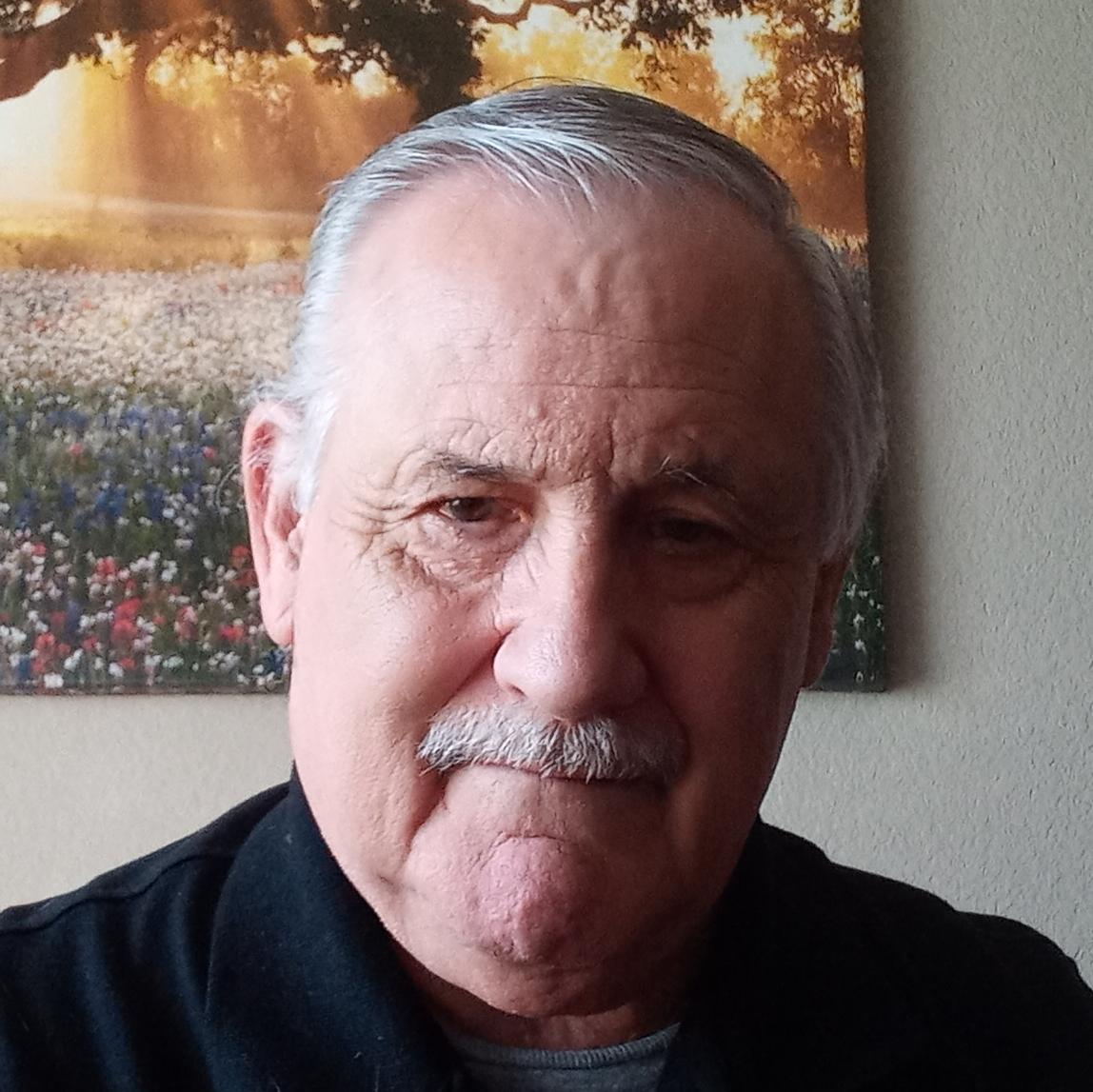
About Craig
Craig spent long stretches of his career in high-pressure public institutions. He worked for more than a decade at the National Institutes of Health, supporting staff across many roles and serving as an EAP representative and crisis counselor during major events. Later he worked with the Department of Defense and military communities around the country, helping service members and families cope with deployment-related stress.
His counseling style is relaxed and accepting. Sessions are meant to feel non-judgmental and practical. He listens first, then uses focused techniques to help people make small, manageable changes.
Craig blends a few approaches depending on the situation. He often uses motivational interviewing to find what matters most to a person, and cognitive behavioral techniques to change unhelpful thoughts and behaviors. Mindfulness practices and solution-focused ideas are used when they fit the client’s goals.
People who choose him usually want direct help with specific problems. He emphasizes collaboration and practical steps over long, abstract talk. To begin, clients follow the site’s matching process and schedule sessions based on availability.
How his approaches translate to online work
Client-Centered Therapy focuses on listening and responding to what matters most to the client. It helps people feel heard and builds the working relationship needed to tackle issues like grief or relationship stress.Cognitive Behavioral Therapy, or CBT, looks at the links between thoughts, feelings, and behaviors. In practice it produces concrete tools for anxiety, panic attacks, and mood concerns by changing unhelpful thinking and trying small behavioral experiments.
Finding the right method is part of the work together. The therapist will discuss goals and try approaches that match a person’s needs and preferences. That collaborative process makes it easier to adjust techniques as progress is made.
Confirm which session formats are offered before booking, since the biography does not list specific online options. Online sessions can make it simpler to fit counseling into a busy day, remove travel time, and allow for shorter check-ins when needed. They also let people continue work during life transitions or when schedules change, while the therapist and client decide which approach and rhythm work best.
Frequently asked questions
What concerns does this therapist help with?
He helps people with stress, anxiety, relationship strain, grief, self-esteem, addictions, trauma and abuse, and related issues such as sleep and eating problems.
What is his therapeutic style like?
His approach is relaxed and accepting. He focuses on creating a non-judgmental space and uses practical techniques to address specific problems.
How long has he been practicing?
He has 35 years of professional counseling experience, including roles in large public institutions and work with military communities.
Where is he licensed and based?
He holds LCPC in Maryland and LPC in Texas and is listed as practicing in Texas.
Which languages are supported for sessions?
Sessions are offered in English.
Can international clients work with him?
He is not currently accepting international clients.
How much do sessions cost?
Cost varies with location and therapist availability; sessions are provided through a subscription that can be canceled at any time.
How do I start therapy with him?
Use the Start Therapy button, complete the short matching questionnaire, and schedule sessions according to therapist availability.