- Trauma and abuse
- Stress and anxiety
- Relationship help
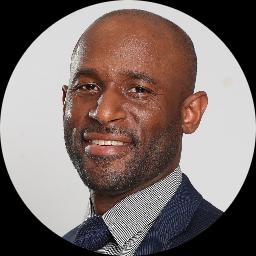
About Craig
He brings 12 years of practice in counseling and keeps the work direct and straightforward. Sessions are a place to name what feels hard, test ideas for change, and build new habits that actually fit daily life. Craig listens for how patterns in relationships and early attachments affect current reactions and choices.
Craig uses several evidence-informed methods to guide sessions, including Cognitive Behavioral Therapy, Dialectical Behavior Therapy, and the Gottman Method for relationship work. He adapts these approaches to the concerns a person brings rather than following a rigid plan. The aim is useful tools that can be practiced between sessions.
People who come to him often want help with communication problems, loneliness, parenting transitions, divorce and separation, or struggles tied to family of origin and attachment. He also supports men facing life direction and purpose questions. Craig encourages steady, achievable progress rather than quick fixes.
If someone is considering therapy, Craig asks them to describe what they most want to change. From there he helps prioritize goals and sets a pace that feels tolerable. He believes small, consistent steps add up to meaningful difference over time.
How CBT, DBT, and Gottman Work Online
Craig uses Cognitive Behavioral Therapy to help people notice unhelpful thoughts and test different ways of thinking and acting. CBT breaks problems into small pieces so practical changes can be tried between sessions.Dialectical Behavior Therapy is used to teach coping skills for strong emotions and impulsive reactions. DBT emphasizes skills for emotional regulation, distress tolerance, and clearer communication.
The Gottman Method informs his work on relationship issues by focusing on communication patterns, conflict skills, and rebuilding connection step by step.
Choosing the right approach is part of the work together. He will discuss goals, preferences, and what has or hasn’t helped in the past to select methods that fit. This is a collaborative process and can change as needs change.
Confirm current session options before booking to learn which online formats are offered. In general, online sessions can make it easier to fit counseling into a busy week, reduce travel time, and allow shorter check-ins when needed. They can also let people try skills in real life between meetings and bring observations back into the conversation.
Frequently asked questions
What concerns does Craig address?
He works with stress, anxiety, relationship problems, trauma and abuse, depression, and coping with life changes. Additional focus areas include attachment issues, communication problems, isolation, and men's issues.
How would you describe his therapeutic style?
Sessions are direct and practical with a focus on testing small changes. He listens for patterns and helps people try concrete tools between sessions.
How much clinical experience does he have?
He has 12 years of professional work experience in counseling and holds a Licensed Professional Counselor credential.
Where is he licensed and based?
He is licensed in Virginia and the District of Columbia and practices from Virginia.
Which languages are supported for sessions?
Sessions are offered in English.
Can people outside the country work with him?
International clients are not currently accepted.
How is cost handled for sessions?
Cost varies with location and therapist availability, and sessions use a subscription that can be canceled at any time.
What are the steps to begin working with him?
Use the Start Therapy button, complete a short matching questionnaire, and schedule sessions according to therapist availability.