- Practical coping skills
- Client-centered listening
- CBT based techniques
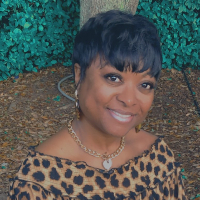
About Coretta
Coretta brings three years of clinical experience working with adults who have had polysubstance use and behavioral health challenges. She has provided individual counseling, led group work, and responded in crisis situations. In sessions she leans on practical strategies and clear steps rather than jargon.
Clinically, she uses cognitive behavioral techniques to identify unhelpful thoughts and shift everyday habits. She also draws on a client-centered, humanistic stance that emphasizes self-awareness and self-acceptance. Motivational interviewing and solution-focused ideas are part of how she supports change and goal-setting.
People come to her with issues such as depression, grief, sleep problems, low self-esteem, and struggles related to identity or intimacy. She also addresses co-occurring concerns like mood disorders, ADHD, and addiction. Conversations may include skill-building, coping plans, and problem-solving for immediate stressors.
Her style is direct and compassionate. Coretta encourages honest talk about setbacks and progress. The focus is on practical steps you can try between sessions and clearer ways to handle daily challenges.
How core approaches guide online work
Client-centered therapy focuses on creating a respectful, nonjudgmental space. The therapist listens deeply and follows what the person says, helping them explore their own goals and values. Cognitive behavioral therapy (CBT) looks at patterns of thought and behavior and teaches practical tools to change them, which can help with anxiety, depression, and addictive behaviors.Finding the right approach is part of the process. The therapist will work together with the client to decide which methods fit best, based on needs, goals, and personal preferences. That collaboration makes it easier to try strategies and adjust them over time.
Session format options are not listed in the biography, so please confirm current session options before booking. Online work can make it easier to fit sessions into a busy life - for example, it may allow shorter check-ins during a lunch break, avoid travel time, or make it simpler to join when outside commitments make in-person visits hard. Licensed professionals can use practical exercises, homework, and verbal coaching just as they would in person to help people move toward their goals.
Frequently asked questions
What concerns does this therapist help address?
She helps with stress, anxiety, addictions, relationship and self-esteem issues, depression, trauma and abuse, grief, sleep problems, and related concerns such as ADHD and mood disorders.
What is Coretta's therapeutic style like?
Her style is client-centered and practical. She uses clear, goal-focused work with cognitive behavioral ideas and motivational interviewing to support change.
What experience does she have?
Coretta has three years of experience working with adults who have polysubstance use, behavioral issues, and mental health disorders, and she has worked in individual, group, and crisis settings.
What credentials and region are listed?
She is a Licensed Professional Counselor, LPC, practicing in the state of Georgia.
Which languages are supported for sessions?
Sessions are offered in English.
Are international clients accepted?
International clients are not currently accepted.
How does payment or cost work?
Cost varies with location and therapist availability; sessions use a subscription that can be canceled at any time.
How do I begin working with this therapist?
Start by selecting the Start Therapy button, completing a short matching questionnaire, and then scheduling according to the therapist's availability.