- Attachment-informed
- Practical coping skills
- Family-focused
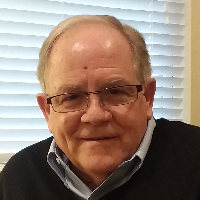
About Bruce
He writes and listens to each person's story, and aims to create space where people feel heard. Sessions are framed around restoring relationships and helping individuals move toward practical solutions. He emphasizes straightforward conversation and focused work rather than jargon.
His background includes four decades of clinical experience across many settings. That experience informs an approach that looks at how individual struggles connect with family patterns. He pays attention to attachment, communication problems, and issues that arise after separation or loss.
Dr. Pedigo uses several therapeutic approaches depending on the situation. These include attachment-based work, client-centered methods, cognitive behavioral techniques, dialectical behavior ideas, and mindfulness practices. He draws on these methods to help with emotion regulation, coping skills, and healthier interactions.
The practice description notes a faith-informed personal outlook rooted in Christian belief. That informs his sense of compassion and his commitment to being authentically present with people. Prospective clients are asked to use the Start Therapy button and complete a brief matching questionnaire to begin the process.
Approaches that translate to online work
Attachment-Based Therapy focuses on how relationships shape feelings and behavior. Online sessions using attachment ideas help people map relationship patterns and practice new ways of relating. Cognitive Behavioral Therapy, or CBT, looks at the link between thoughts, feelings, and actions. In teletherapy CBT is used to identify unhelpful thinking, try small behavior changes, and track results between sessions.Choosing the right approach is a collaborative process. The therapist will work with each person to match methods to their goals, needs, and preferences. Together they decide whether to rely more on skills practice, exploring family patterns, or a mix of methods.
The profile does not list specific session formats, so confirm current options before booking. Online therapy can make it easier to fit sessions into a busy life, reduce travel time, and allow shorter check-ins when schedules demand. It also lets people use mindfulness exercises, homework workbooks, and skill coaching between meetings, which can speed progress when applied consistently.
Frequently asked questions
What concerns does this therapist work with?
This clinician supports a wide range of concerns, including stress, anxiety, relationship and family challenges, trauma and abuse, depression, addictions, grief, parenting and sleep or eating difficulties.
How would you describe the therapeutic style?
The approach is conversational and client-centered, with attention to family patterns and attachment. Sessions focus on listening to each person's story and developing practical steps to improve relationships and daily functioning.
What experience does the clinician bring?
He has 40 years of clinical experience and a Doctorate in Child, Youth, and Family Studies, with long experience working across a variety of client needs and settings.
What credentials and location information are on record?
He holds LCSW and LMFT credentials and is based in Florida. The biography lists state licensure as FL LCSW and FL LMFT.
Are sessions offered in other languages or internationally?
Sessions are offered in English. International clients are not currently accepted.
What session formats are available?
The original profile does not specify session formats. Please confirm current session options with the service before booking.
How are fees handled?
Cost varies with location and therapist availability. Sessions use a subscription model that can be canceled at any time.
How do I begin the process?
Click the Start Therapy button, complete a short matching questionnaire, and schedule according to therapist availability.