- Trauma and abuse focus
- Strengths-based approach
- Practical action steps
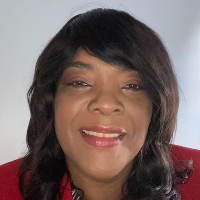
About Brenda
Dr. Kemp draws on several practical therapy methods to match how each person prefers to work. She uses Acceptance and Commitment Therapy and Cognitive Behavioral Therapy to address anxious or depressive thinking. She also brings client-centered and emotionally focused ideas to conversations about connection and intimacy.
In sessions she helps people name patterns and develop concrete steps they can try between meetings. She pays attention to attachment and family history when those issues matter. She also supports people dealing with caregiver strain, end-of-life concerns, adoption and foster care questions, and identity-related stress.
Her approach is collaborative and paced to the person sitting in the room. She aims to help people identify strengths and take manageable actions toward their goals. She encourages small experiments and steady practice rather than quick fixes.
Dr. Kemp works in English and practices in Georgia. If you want to begin, follow the site's process to match with her and schedule a first appointment.
How these approaches translate to online work
Acceptance and Commitment Therapy (ACT) helps people clarify what matters to them and build small habits that align with those values, often used for anxiety, depression, and life transitions. Client-Centered Therapy emphasizes a warm, nonjudgmental relationship where the therapist listens closely and follows the client's lead, which supports people processing trauma, grief, and identity concerns. Cognitive Behavioral Therapy (CBT) focuses on identifying unhelpful thinking and testing new behaviors, which can be useful for anxiety, mood symptoms, and coping skills training.Finding the right approach is part of the process. The therapist will work together with each person to choose methods that fit their goals and daily life. That may mean trying one approach for a while and adjusting based on what helps most.
If you are considering online sessions, confirm the available session formats before booking. Online therapy can make it easier to fit appointments into a busy week, reduce travel time, and allow shorter check-ins when a full hour isn't practical. It can also be more flexible for people balancing caregiving, work, or medical schedules. Ask about format options and scheduling when you complete the matching questionnaire so you can plan sessions that suit your routine.
Frequently asked questions
What kinds of concerns does this therapist address?
She supports people facing trauma and abuse as well as common issues like anxiety, depression, relationship challenges, grief, addiction, and caregiver stress.
How would you describe her therapy style?
The style is supportive, engaging, and authentic with a focus on collaboration and practical steps to try between sessions.
What experience does she bring?
She has 16 years of clinical experience working with a broad range of emotional and relational concerns.
What are her credentials and where does she practice?
She holds the LPC credential and practices in Georgia.
Which languages are available for sessions?
Sessions are offered in English.
Does she work with clients outside the U.S.?
International clients are not currently accepted.
How does payment or cost work?
Cost varies by location and therapist availability; sessions use a subscription that can be canceled at any time.
How do I begin working with her?
Use the Start Therapy button, complete a short matching questionnaire, and then schedule according to the therapist's availability.