- Trauma and abuse
- Stress and anxiety
- Post-adoption support
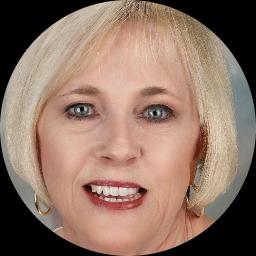
About Barbara
She ran a private practice in Massachusetts for more than 20 years where much of her work focused on sexual abuse recovery and PTSD. After relocating to Florida she continued seeing people impacted by trauma and also supported those who had been in the foster care system as children. She has assisted people and families with post-adoption transitions and the challenges that can bring.
In sessions she listens closely and centers the person in front of her. She uses clear, practical methods to help people name problems and try new ways of coping. The aim is to make day-to-day life feel more manageable and to reduce the hold of painful memories and worries.
Her experience includes helping with family conflicts, attachment and abandonment concerns, caregiver stress, and feelings of isolation or shame. She also works with grief, aging and geriatric issues, and the fallout of natural or human-caused disasters.
Clients can expect straightforward, compassionate care focused on their goals. She encourages people to take the first step and complete a short matching questionnaire to begin scheduling work together.
Approaches that inform online work
Client-Centered Therapy focuses on the person's experience and priorities. It involves listening, reflecting feelings, and helping people decide what changes matter most. This approach can help with stress, grief, and relationship issues.Cognitive Behavioral Therapy, or CBT, looks at how thoughts, feelings, and actions connect. It uses straightforward exercises to change unhelpful thinking and build new coping habits, which can help with anxiety and PTSD symptoms.
Trauma-Focused Therapy concentrates on understanding and reducing the impact of traumatic memories. It combines careful pacing with practical skills to manage triggers and improve daily functioning.
Choosing the right approach is a collaborative process. The therapist will work with the person to match methods to goals, needs, and preferences. Plans are adjusted as progress is made and as new concerns arise.
Confirm available session options before booking, since formats are not detailed here. Online therapy can make scheduling easier and reduce travel time. It also lets sessions fit into a work break, allow shorter check-ins, or avoid being on camera when that helps. Licensed professionals can adapt these approaches for remote work to help people practice coping skills and track progress over time.
Frequently asked questions
What concerns does Barbara focus on?
She works with stress, anxiety, family conflict, trauma and abuse, grief, and coping with life changes. Additional areas include attachment issues, post-traumatic stress, sexual assault and abuse, and women's issues.
How would you describe her therapeutic style?
She listens closely and centers the person's goals. Sessions use practical methods to name problems and try different coping strategies.
What is her professional background?
She has 40 years of professional experience and ran a private practice in Massachusetts for over 20 years before moving to Florida.
What are her credentials and where is she based?
She is a licensed mental health counselor (LMHC) licensed in Florida and practices from Florida.
Can sessions be conducted in languages other than English?
Sessions are offered in English.
Are international clients accepted?
She accepts international clients.
How does pricing and payment work?
Cost varies with location and therapist availability; sessions use a subscription that can be canceled at any time.
How do I begin working with her?
Use the Start Therapy button, complete a short matching questionnaire, and schedule according to the therapist's availability.