- Trauma-informed approach
- Practical coping tools
- Accessible support
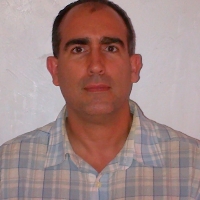
About Arthur
He has worked in private practice and inpatient settings, and has substantial experience helping survivors of serious crimes including child sexual exploitation, domestic violence, and human trafficking. About half of his work has been with women and young adults. He also focuses on concerns such as attachment and abandonment, adoption and foster care issues, and caregiver stress.
In sessions he aims to build trust and a strong working relationship first. He uses clear, straightforward conversation to help people identify steps that feel doable. He emphasizes motivation and practical change rather than lengthy theory.
His methods include client-centered techniques, cognitive-behavioral ideas, existential perspectives, motivational interviewing, and narrative approaches. That means he combines listening and empathy with tools to shift thoughts, choices, and the stories people tell about their lives.
Dr. Corrieri encourages starting small and pacing progress to match each person’s needs. He works with each client to set realistic goals and to practice new ways of coping between sessions. He accepts international clients and conducts work from his Florida practice.
How his approaches shape online therapy
Dr. Corrieri often blends client-centered work with cognitive-behavioral strategies. Client-centered work means the conversation is guided by the person’s needs and goals, with lots of listening and reflection to build trust. Cognitive-behavioral ideas focus on identifying unhelpful thoughts and trying small experiments to change behavior and mood.Finding the right approach is a collaborative process. He will talk with each person about goals and preferences and try methods that fit the issue at hand. Over time the plan can shift based on what helps most, with both practical exercises and open-ended discussion offered as needed.
Confirm the session formats available before booking, since this profile does not list specific options. Online work can be helpful for making therapy fit a busy life - it may reduce travel, allow appointments during a lunch break, or make it easier to keep regular sessions while traveling. Many people find they can practice skills between meetings and bring what they tried back to the next session for review.
Frequently asked questions
What concerns does he address?
He helps people with trauma and abuse, relationship problems, anxiety, depression, grief, stress, addictions, self-esteem, and a wide range of family and attachment issues.
How would you describe his therapy style?
His style is compassionate and straightforward. He focuses on building trust, encouraging motivation, and using practical steps to help people change.
What kind of background does he bring?
He has 21 years of experience in private practice and inpatient settings, with substantial work supporting survivors of serious crimes such as child sexual exploitation, domestic violence, and human trafficking.
What credentials and location are listed?
He is a Florida LMHC, which stands for Licensed Mental Health Counselor, and practices from Florida.
Which languages are available for sessions?
Sessions are offered in English, and he accepts international clients.
What session formats are offered?
Please confirm current session options before booking; the profile does not list specific session formats.
How is cost handled?
Cost varies with location and therapist availability; sessions use a subscription that can be canceled at any time.
How do I begin working with him?
Use the Start Therapy button, complete a short matching questionnaire, and schedule according to therapist availability.