- Trauma-focused care
- Skills-based work
- Respectful listening
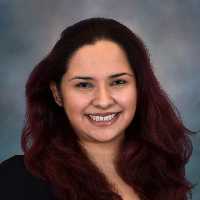
About Angelique
She uses practical tools from Cognitive Behavioral Therapy to help people notice unhelpful thoughts and try different behaviors. She also offers Eye Movement Desensitization and Reprocessing, a trauma-focused approach used to reduce the intensity of painful memories. Sessions include conversation, skill building, and pacing work to what a person can manage.
Angelique draws on motivational interviewing to support change when someone feels stuck, and on narrative and psychodynamic ideas to look at personal stories and patterns. That mix helps address issues like attachment wounds, abandonment, domestic violence, and post-traumatic stress.
Her background includes a Master of Social Work from Simmons University and four years of clinical practice. The LCSW-C credential indicates licensure in Maryland and clinical social work training.
She aims to make therapy clear and usable. People can expect a respectful, nonjudgmental conversation that focuses on specific goals and small steps toward them. To begin, readers should use the site Start Therapy button and complete the short matching questionnaire before scheduling.
How specific approaches guide online work
CBT helps people spot thoughts and habits that keep problems going, and then practice small changes to feel better and act differently. It is often useful for anxiety, depression, and stress-related problems.EMDR is a trauma-focused approach that works with distressing memories and the reactions they create. It aims to reduce the emotional intensity of those memories so daily life is less disrupted.
Finding the right method is part of the work. The therapist will talk with each person about goals, preferences, and what feels manageable, and together they will decide which approaches to try first and how to adjust over time.
Confirm the available session formats before booking, as options are not listed here. Online therapy can make it easier to fit sessions into a busy life, reduce travel time, and allow shorter check-ins when schedules are tight. It also allows continued work between in-person visits when that fits someone’s needs. Licensed professionals can explain how a chosen approach will be used in remote sessions and help plan practical steps for applying skills between meetings.
Frequently asked questions
What concerns does Angelique commonly help with?
She helps people with stress, anxiety, trauma and abuse, depression, bipolar, addictions, and related issues such as attachment concerns, domestic violence, and post-traumatic stress.
What is her therapeutic style like?
Her style is empathetic and trauma informed, combining practical skills work with listening to a person’s story and pacing interventions to individual needs.
What experience does she bring?
She has four years of clinical experience working with a range of concerns including anxiety, depression, self-esteem, trauma, and domestic violence.
What credentials and location are listed?
She holds LCSW-C (Maryland) and practices in Maryland.
Which languages are supported?
Sessions are offered in English.
Can people outside the United States work with her?
She is not currently accepting international clients.
How does cost and billing work?
Cost varies with location and therapist availability; sessions use a subscription that can be canceled at any time.
How do I start a therapy relationship?
Click the Start Therapy button, complete the short matching questionnaire, and schedule according to the therapist’s availability.