- Practical coping skills
- Collaborative goal setting
- Focus on self-compassion
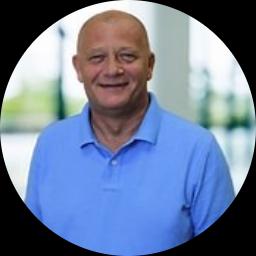
About Alan
He uses a blend of approaches to meet each person's needs. Sessions focus on building skills for emotion regulation, improving communication, and reducing symptoms that get in the way of daily life. He also addresses relationship strains, intimacy concerns, and parenting stress in individual work.
Alan draws on 11 years of clinical experience to shape treatment plans that fit each client. He emphasizes self-compassion and helps people move past guilt, shame, and impulsive reactions. The work often includes identifying unhelpful thought patterns and practicing new ways to respond to strong emotions.
Clients can expect a collaborative style where goals are set together and progress is reviewed. Alan uses techniques from client-centered therapy, cognitive behavioral therapy, dialectical behavior therapy, EMDR, and motivational interviewing as appropriate. He tailors sessions so people can build resilience and steady routines that support recovery.
Sessions are provided by a Florida licensed mental health counselor (LMHC). Conversations are in English and intended for adults seeking support with mood, trauma, or life transitions.
Approaches that guide online work
Alan uses client-centered therapy to build a trusting, respectful working relationship where the client’s goals shape each session. This approach focuses on listening, validating experiences, and helping people find their own solutions for emotional struggles.Cognitive behavioral therapy helps identify and change unhelpful thoughts and behaviors. It is often used for anxiety, depression, and mood symptoms by practicing skills and trying new coping strategies between sessions.
Dialectical behavior therapy provides tools for handling intense emotions and improving interpersonal effectiveness. It emphasizes skills like distress tolerance, emotion regulation, and clear communication when feelings feel overwhelming.
Finding the right approach is part of the work together. The therapist will discuss goals and try methods that fit the person’s needs, adjusting techniques over time based on what helps most. This collaborative process aims to match treatment to symptoms, preferences, and daily life demands.
Session formats are not specified in the biography, so confirm current options before booking. Online therapy can make it easier to fit sessions into a busy week, reduce travel time, and allow check-ins that work around school or work. Some formats can be shorter for quick check-ins or use audio-only when video is not feasible, but confirm what is offered when you schedule.
Frequently asked questions
What concerns does he help with?
He supports people dealing with stress, anxiety, depression, trauma and abuse, bipolar mood issues, grief, and related challenges such as anger, self-harm, and panic attacks.
What is his therapeutic style like?
Sessions are practical and collaborative. He focuses on skills for emotion regulation, communication, and changing unhelpful thoughts while encouraging self-compassion.
How much clinical experience does he have?
He has 11 years of experience working in clinical settings with adults on mood and anxiety concerns and people managing trauma-related symptoms.
What credentials and location apply?
He is a Florida licensed mental health counselor, listed as LMHC, and practices in Florida.
Which languages are offered for sessions?
Sessions are offered in English.
Can international clients work with him?
International clients are not currently accepted.
How are costs and billing handled?
Costs vary with location and therapist availability; sessions use a subscription model that can be canceled at any time.
What is the first step to begin therapy?
Choose the Start Therapy button, complete a short matching questionnaire, and then schedule sessions based on the therapist's availability.