- Trauma and abuse
- Stress and anxiety
- CBT and client-centered
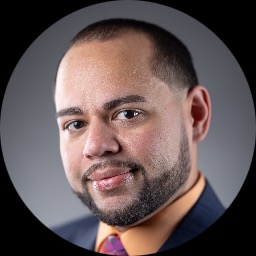
About Wilfredo
Guzman earned a Master of Arts in Clinical Mental Health Counseling from Rollins College in Winter Park, Florida, after completing a Bachelor of Science in Psychology at the University of Central Florida. He has four years of clinical experience and has worked in settings that exposed him to diverse life situations and complex stressors.
In sessions he focuses on building a real connection so people can talk through what’s happening and find what helps. He draws on client-centered methods to follow each person’s pace and priorities. Cognitive Behavioral Therapy and Solution-Focused techniques are used to develop concrete skills and short-term goals.
He also uses Motivational Interviewing to support change when motivation feels stuck, and Trauma-Focused Therapy to address the effects of traumatic events. Guzman emphasizes collaboration - clients and therapist decide together which tools to try.
Outside of work he spends time near water and enjoys socializing to strengthen community ties. He invites people to consider therapy as a way to bring more satisfaction and stability into their lives.
How therapeutic approaches fit with online care
Client-Centered Therapy focuses on listening and responding to what matters most to the person. It helps clients name their priorities and move at their own pace while feeling heard.Cognitive Behavioral Therapy, or CBT, looks at how thoughts influence feelings and behavior. It teaches practical skills to test unhelpful thoughts and try new behaviors for anxiety, depression, and stress.
Trauma-Focused Therapy concentrates on the effects of traumatic events and helps people process what happened in manageable steps. It aims to reduce the way trauma disrupts daily life and relationships.
Choosing the right approach is part of the work. The therapist will discuss goals, preferences, and what has or hasn’t helped before. Together they’ll try methods that fit the client’s needs and adjust as progress is made.
Confirm the available session options before booking, as formats are not listed here. Online therapy can make it easier to fit sessions into busy days, reduce travel time, and allow shorter check-ins when schedules require it. It can also let someone avoid being on camera if that helps, or use lower bandwidth options when internet strength varies. Working online aims to make therapy more accessible while keeping the focus on practical tools and steady progress.
Frequently asked questions
What kinds of problems does he help with?
He helps people dealing with stress, anxiety, depression, low self-esteem, trauma and abuse, and LGBT-related concerns. He also works with issues like isolation, life purpose, and sexuality.
How would you describe his therapy style?
He aims for a warm, collaborative style that follows the client’s pace. Sessions focus on practical steps and building a strong working connection.
What is his professional background?
He holds a Master of Arts in Clinical Mental Health Counseling from Rollins College and a Bachelor of Science in Psychology from the University of Central Florida, with four years of clinical experience.
Where is he licensed and located?
He is a Licensed Mental Health Counselor (LMHC) licensed in Florida and practices in that state.
Which languages are supported for sessions?
Sessions are offered in English.
Can people outside the United States work with him?
International clients are not currently accepted.
How are payments and cost handled?
Cost varies with location and therapist availability; sessions use a subscription that can be canceled at any time.
How do I begin working with him?
Click the Start Therapy button, complete a short matching questionnaire, and schedule according to the therapist’s availability.