- Client-centered care
- CBT strategies
- Strengths focused
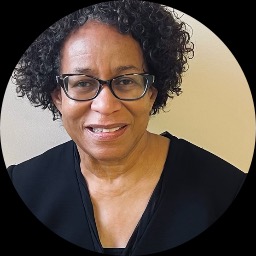
About Theresa
Over 25 years in practice have given her experience with a range of concerns, including coping with addictions, grief and loss, and post-traumatic stress. She also addresses related issues such as abandonment, caregiver stress, codependency, and control struggles. Theresa pays attention to how life pressures and painful events affect daily functioning.
Theresa blends Client-Centered Therapy with practical Cognitive Behavioral Therapy, bringing warmth and structure to sessions. She listens first, then helps people try clearer thinking and small behavior changes that can reduce anxiety and shame. Sessions focus on what the person wants to change and on realistic steps toward those goals.
Her background includes many years of face-to-face clinical work in Maryland settings. Theresa uses plain language and a steady presence to guide conversations about difficult topics like addiction, guilt, and end-of-life concerns. She encourages people to notice their strengths while working through hard experiences.
If someone is ready to begin, Theresa asks them to complete a short matching questionnaire and schedule according to availability. The process is framed as gradual and collaborative, with attention to each person’s values and pace.
How therapeutic approaches shape online work
Theresa uses Client-Centered Therapy and Cognitive Behavioral Therapy as the core of her practice. Client-Centered Therapy focuses on listening, accepting each person's perspective, and helping them find their own solutions; it is helpful for people who need a steady, nonjudgmental space to talk through painful events. Cognitive Behavioral Therapy looks at patterns of thought and behavior and supports practical steps to change reactions, which can help with anxiety, depression, and impulsive or addictive behaviors.Finding the right approach is part of the work together. Theresa will collaborate with each person to decide which methods fit their goals and preferences. She starts by understanding the problem and then recommends ways to try new responses, checking in and adjusting as needed.
Session formats are not specified in the biography, so confirm current options before booking. Online therapy can make it easier to fit sessions into a busy life by removing travel time, allowing shorter check-ins when needed, and offering more flexibility for scheduling around work or caregiving. Many people find that remote sessions let them stay consistent with therapy while managing daily responsibilities.
Frequently asked questions
What concerns does Theresa commonly address?
She works with stress, anxiety, addictions, trauma and abuse, grief, and depression, and also addresses related issues like abandonment, caregiver stress, and codependency.
What is her therapy style like?
Theresa combines Client-Centered Therapy with Cognitive Behavioral Therapy to listen closely and then help people try practical thinking and behavior changes.
How much clinical experience does she have?
She has 25 years of professional work experience in clinical settings.
Where is she licensed and based?
Theresa is licensed as an LCSW-C in Maryland.
In which languages can sessions be held?
Sessions are offered in English.
Can international clients work with her?
She is not currently accepting international clients.
How are fees and payments handled?
Cost varies with location and therapist availability; sessions use a subscription that can be canceled at any time.
What should I do to begin working with Theresa?
Press the Start Therapy button, fill out a short matching questionnaire, and then schedule sessions based on the therapist's availability.