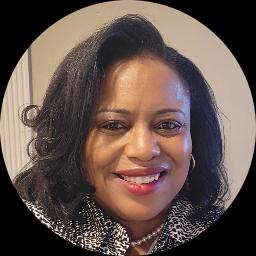
- Warm and nonjudgmental
- Practical coping skills
- Collaborative goal setting
About Tanya
In sessions she focuses on what a person needs right now. She listens first, then works with each person to set clear, practical goals. Conversations can include learning new coping skills, shifting difficult thoughts, and practicing ways to handle intense emotions.
Tanya blends several approaches to fit each situation. She uses client-centered methods to follow the person’s lead, cognitive behavioral techniques to address unhelpful thinking and behavior patterns, and skills from dialectical behavior therapy when strong emotions are present. Motivational interviewing and solution-focused ideas help with decision points and short-term problem solving.
Her background includes work in clinical settings across Florida and California. Tanya emphasizes respect for cultural differences and aims to support people from diverse backgrounds. She also has experience with issues that affect caregivers, older adults, veterans, and young adults.
Sessions are conducted in English and are intended to help people move toward more manageable days. If someone is ready to try therapy, Tanya guides them through goal-setting and practical steps they can use between sessions.
How Tanya’s Approaches Translate to Online Work
Client-centered therapy focuses on listening and following the person’s lead. In practice this means the therapist reflects what is said, asks open questions, and helps people name their goals and priorities, which can be done easily in online conversations.Cognitive behavioral therapy, or CBT, looks at the links between thoughts, emotions, and actions. Online sessions can introduce specific strategies to notice unhelpful thinking and try small behavior changes between meetings. Dialectical behavior therapy, or DBT, adds skills for regulating intense emotions and improving distress tolerance, which can be practiced and reviewed during remote sessions when needed.
Finding the right approach is part of the work. The therapist will talk with each person about their goals and preferences and then tailor techniques from different methods. This is a collaborative process where approaches are adjusted if something doesn’t fit.
Practical benefits of online therapy include easier scheduling and fitting sessions into a busy routine, quicker check-ins when needed, and options for shorter or longer conversations depending on what helps most. Because specific session formats are not listed here, confirm the available formats before booking to make sure they match your daily life and goals.
Frequently asked questions
What concerns does Tanya address?
She helps people with stress, anxiety, depression, grief, trauma and abuse, self-esteem, intimacy issues, sleeping problems, parenting stress, anger, career changes, and compassion fatigue.
How would you describe her therapy style?
Her style is calm and client-centered. She listens first, then works collaboratively to set goals and teach practical skills.
How much experience does she have?
She has 15 years of professional experience working in clinical settings in Florida and California.
What are her credentials and where is she located?
She holds LCSW licensure and practices in Florida. Her credentials include FL LCSW and CA LCSW.
Which languages are used in sessions?
Sessions are offered in English.
Can international clients work with her?
She does not accept international clients at this time.
How are sessions arranged and what formats are offered?
Current session formats are not specified here, so confirm available formats before booking to ensure they fit your needs.
How does payment work and how do I begin?
Cost varies by location and therapist availability and uses a subscription that can be canceled at any time. To start, select the Start Therapy button, complete the short matching questionnaire, and then schedule according to therapist availability.