- Warm interactive style
- Practical goal setting
- Trauma-informed focus
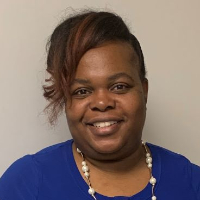
About Shironda
Shironda has worked in counseling since 2005 and has been licensed in North Carolina since 2012. Her experience includes settings such as schools, hospitals, correctional facilities, courts, and an army base. That variety informs how she adapts conversations and plans to fit different life situations.
In sessions she uses a mix of Client-Centered work and Cognitive Behavioral ideas to help people notice patterns and try new ways of coping. She also draws on Existential perspectives to help people weigh values and make choices that matter to them. The focus is practical - small steps that add up to change.
Shironda often blends Motivational Interviewing and Solution-Focused techniques to set clear goals and build momentum. She pays attention to the whole situation, including family dynamics, adoption or foster care questions, blended family concerns, and caregiver stress. She avoids labeling and centers dignity in every conversation.
People who want straightforward, compassionate help with mood, attention differences, relationship conflicts, or parenting strain may find her approach useful. Her practice works in English and is based in North Carolina.
How Shironda's Approaches Fit Online Care
Shironda uses Client-Centered Therapy to build a collaborative relationship where the person leads the pace and topics. This approach helps when someone needs a supportive listener and wants to shape their own goals. Cognitive Behavioral Therapy, or CBT, is used to identify thought and behavior patterns and try concrete changes that reduce anxiety or low mood. CBT suits people who want clear strategies and homework to practice between sessions.Choosing the right approach is a shared process. The therapist will talk with each person about their needs, goals, and what feels most helpful. Together they decide which methods to try and adjust the plan as progress is made.
The profile does not list specific session formats, so confirm current online options before booking. Online therapy can make it easier to fit sessions into a busy week, reduce travel time, and allow shorter check-ins when needed. It can also let people choose audio-only conversations if that better fits their bandwidth or comfort. Ask about available formats when scheduling to match sessions to everyday life.
Frequently asked questions
What concerns does she help with?
She works with stress, anxiety, depression, relationship and parenting issues, anger, ADHD, intimacy concerns, and trauma and abuse. Additional focuses include adoption and foster care, blended family issues, caregiver stress, and divorce-related problems.
What is her therapeutic style like?
Her style is warm and interactive, with attention to respect and sensitivity. Sessions focus on clear goals, practical steps, and conversations shaped around each person.
How much experience does she have?
She has provided counseling since 2005 and has been licensed in North Carolina as an LCMHC since 2012, giving her over two decades of experience in diverse settings.
What credentials and location are listed?
She holds the LCMHC credential and practices in North Carolina. The credential is shown as NC LCMHC in her professional details.
Which languages are supported?
Sessions are offered in English and international clients are not currently accepted.
What session formats are available?
The biography does not specify session formats, so confirm the current session options with the platform before booking to know whether sessions are online, in-person, or by phone.
How does pricing work?
Costs vary with location and therapist availability; sessions use a subscription that can be canceled at any time. Exact rates are provided during scheduling.
How do I begin working with her?
Select the Start Therapy button, complete a short matching questionnaire, and schedule according to the therapist's availability.