- Trauma-aware approach
- Whole-person focus
- Creative resources
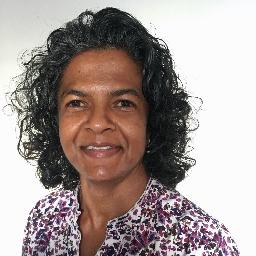
About Roshne
She describes therapy as a team effort. Sessions are shaped by what the client brings and by a respectful, culturally aware relationship. Roshne emphasizes trust, humility, and genuine connection as the foundation for change.
Her work draws on several therapeutic approaches so sessions can be flexible. She uses client-centered methods to follow a person’s priorities, cognitive behavioral strategies to address thinking and behavior patterns, and mindfulness practices to build present-moment coping. Motivational interviewing helps when clients feel stuck about making changes, and existential ideas support meaning-focused conversations.
Roshne takes a whole-person view of recovery. She attends to physical, emotional, spiritual, and relational needs and includes creative supports like movement, art, music, and nature when those fit. She aims to offer both encouragement and challenge so people can reach their own goals.
With 18 years in mental health settings, including acute care and outpatient work, she brings experience with complex needs while staying practical and down-to-earth. When people are ready to take a step, she offers steady guidance toward better day-to-day functioning.
How therapy approaches translate to online work
Roshne commonly uses client-centered methods and cognitive behavioral therapy to guide online sessions. Client-centered work focuses on listening closely to a person’s priorities and shaping sessions around what matters most. Cognitive behavioral therapy looks at the links between thoughts, feelings, and behavior and teaches concrete skills for changing unhelpful patterns.She also draws on mindfulness practices to help people build calmer attention and reduce reactivity. Mindfulness exercises are often brief and can be practiced between meetings to support coping with anxiety, stress, and grief.
Finding the right approach is part of the work. She will collaborate with each person to choose methods that match needs, goals, and preferences. That may mean blending listening-focused sessions with skills-based tools, or adding creative resources like movement or music to supplement talk work.
Session formats are not listed here, so confirm which online options are currently offered before booking. Online therapy can make it easier to fit appointments into a busy life, reduce travel time, and allow shorter check-ins when helpful. Therapists and licensed professionals can adapt exercises to work well over remote meetings and recommend simple between-session practices to support steady progress.
Frequently asked questions
What kinds of concerns does she address?
She works with stress, anxiety, depression, addictions, trauma and abuse, grief, relationship and parenting strain, bipolar mood concerns, anger, self-esteem, and coping with life changes.
What is her therapy style like?
Her style is collaborative and respectful, combining client-centered listening with practical techniques from cognitive behavioral therapy, mindfulness, and motivational interviewing.
How much clinical experience does she have?
She has 18 years of experience in mental health, including work in acute care at a community hospital and in outpatient settings.
What credentials and location apply to her practice?
She is a Licensed Professional Counselor - LPC - practicing in Virginia.
Which languages are available for sessions?
Sessions are offered in English.
Can international clients work with her?
She is not currently accepting international clients.
How are session fees handled?
Cost varies by location and therapist availability; sessions use a subscription that can be canceled at any time.
What steps start the process of working together?
Click the Start Therapy button, complete a short matching questionnaire, and schedule sessions according to the therapist's availability.