- Trauma and abuse focus
- English and Spanish
- Skills-based approach
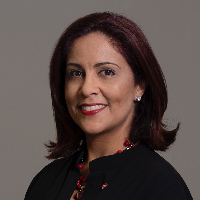
About Rosa
Her approach emphasizes clear, moment-to-moment support. She uses client-centered listening to learn what matters to each person and then draws on cognitive behavioral ideas to build new coping skills. Attachment-based perspectives guide work on relationship patterns and emotional safety. EMDR is also part of her practice for those processing distressing memories.
Dr. Salas often uses written and live digital communication to help clients reflect between sessions and track progress. She aims to keep sessions low-pressure so people can open up at their own pace. That method can make it easier to try new strategies and revisit helpful tools later.
Her work also addresses life transitions, parenting concerns, caregiver stress, aging issues, cultural and immigration-related challenges, and relationship communication. The focus is on practical steps that fit real life, not on labels or jargon.
Dr. Salas holds LMFT credentials in Maine and New York and practices in Florida. She supports people who want steady, skills-based work and a collaborative approach to coping with change and painful experiences.
How her approaches shape online therapy
Dr. Salas uses client-centered work and cognitive behavioral strategies to guide online sessions. Client-centered therapy focuses on listening and responding to what matters most to the person, which helps people feel heard and respected during written or live sessions. Cognitive behavioral therapy helps identify unhelpful thoughts and habits and teaches concrete skills to change them, which is useful for anxiety, depression, sleep problems, and coping with life changes.She also integrates attachment-informed ideas when relationship patterns or emotional safety are central concerns. That perspective helps people notice how past and current connections influence feelings and behavior, and it supports practicing new ways of relating in daily life. Deciding which mix of approaches to use is a collaborative process; the therapist will work with the client to match methods to goals and preferences.
The biography indicates live chat and messaging are primary session formats, with audio and video also available, so confirm the currently supported options before booking. Online sessions can make fitting therapy into a busy week easier, allow written reflections clients can return to, and let people try shorter check-ins or longer conversations depending on need. Licensed professionals adapt pacing and tools to suit each person's situation rather than promising a specific outcome.
Frequently asked questions
What concerns does this therapist commonly help with?
She works with stress, anxiety, depression, sleeping problems, low self-esteem, grief, anger, eating concerns, and trauma and abuse among other issues.
How would you describe her therapeutic style?
Her style is collaborative and practical, using client-centered listening, cognitive behavioral techniques, and attachment-informed work to build coping skills and improve daily functioning.
What is her clinical background and experience?
She has twenty years of experience as a licensed marriage and family therapist and combines multiple approaches to meet individual needs.
Where is she licensed and based?
She holds LMFT credentials in Maine and New York and practices in Florida as an LMFT.
Which languages are available for sessions?
Sessions are offered in English and Spanish.
What session formats are offered?
The original biography notes live chat and messaging as primary formats, with audio and video also available; confirm current session options before booking.
How is cost handled for sessions?
Costs vary by location and therapist availability, and sessions use a subscription that can be canceled at any time.
How do I begin working with her?
Select the Start Therapy button, complete the short matching questionnaire, and then schedule according to therapist availability.