- Integrative approach
- Culturally sensitive
- Direct and practical
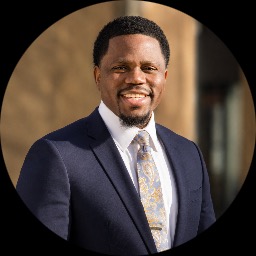
About Rasheed
Rasheed places emphasis on respect for cultural differences and on building a working relationship that feels honest and cooperative. He favors a collaborative style where client goals guide the sessions. He describes therapy as a team effort that combines the client's strengths with practical strategies.
In sessions he uses an integrative approach, drawing on methods that include attachment-focused work, client-centered direction, cognitive behavioral tools, dialectical techniques, and emotionally-focused ideas. He often helps people with intimacy and trust issues, emotional regulation, ADHD-related symptoms, anxiety, and mood problems. He also supports people dealing with grief, parenting stress, career decisions, and immigration-related concerns.
Rasheed's background includes work in community mental health, state clinics, general hospitals, and day treatment settings. That range of experience informs how he tailors plans for each person's situation. He aims to help people identify practical steps they can use between sessions to manage symptoms and improve relationships.
People who prefer a straightforward, culturally aware, and collaborative therapist may find his style approachable. To begin, prospective clients complete a short matching questionnaire and schedule according to the therapist's availability.
How Rasheed blends approaches for online therapeutic work
Attachment-Based Therapy looks at patterns of connection and trust that affect close relationships. It helps people understand how early bonds shape current reactions and guides steps toward feeling safer and more connected with others.Cognitive Behavioral Therapy, or CBT, focuses on practical changes in thinking and behavior. It breaks larger problems into manageable steps, teaches new coping skills, and is often used for anxiety, mood issues, and ADHD-related challenges.
Finding the right approach is a shared process. Rasheed works together with each person to choose techniques that match their goals, needs, and preferences. He adjusts plans over time so methods fit what is actually helping in day-to-day life.
If you are considering online sessions, confirm the available session formats before booking. Ask about scheduling, time zones, and whether sessions will be video or phone based. Online work can make it easier to fit therapy into a busy schedule, allow shorter check-ins when needed, and reduce travel time so sessions can happen during a lunch break or between errands. Licensed professionals can still use exercises, homework, and emotion regulation strategies effectively in remote sessions.
Frequently asked questions
What concerns does Rasheed commonly address?
He works with stress, anxiety, depression, trauma and abuse, relationship and intimacy issues, parenting concerns, ADHD symptoms, grief, and related life changes.
What is his general therapy style?
He uses a collaborative, client-centered approach and blends practical techniques with deeper exploration to help people make changes between sessions.
What is his professional background?
He has eight years of clinical experience and has worked in community mental health agencies, state clinics, hospitals, and day treatment programs.
Where is he licensed and practicing?
He is a licensed marriage and family therapist, LMFT, with licensure in Florida and Indiana and is based in Indiana for practice location purposes.
Which languages are supported in sessions?
Sessions are offered in English and Yoruba.
Can people outside the country work with him?
He accepts international clients; confirm scheduling and time zone details when arranging sessions.
How are fees handled?
Cost varies with location and therapist availability; sessions use a subscription model that can be canceled at any time.
How do I begin a therapy process with him?
Select the Start Therapy button, complete a short matching questionnaire, and schedule sessions according to the therapist's availability.