- Practical strategies
- Trauma informed care
- Goal oriented work
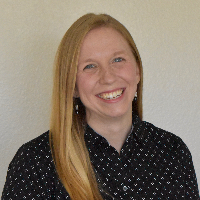
About Rachael
She begins by listening to what is happening now and what has already been tried. Then she and the client look at patterns from the past that may be shaping current struggles. Sessions emphasize concrete plans and measurable steps toward goals, with regular check-ins on progress.
Rachael uses a mix of approaches to fit each person’s needs. Cognitive Behavioral Therapy helps identify unhelpful thoughts and build new habits. Attachment-based ideas guide work on relationship patterns and emotional connection. She also draws on dialectical behavior strategies to support emotion regulation when needed.
Her work includes support for issues such as addiction, self-esteem, intimacy concerns, anger, sleep problems, career transitions, and coping with life changes. She also helps people navigating caregiver stress, chronic illness, codependency, and feelings of isolation.
Rachael aims to join clients where they are and build solutions together. New clients begin by sharing concerns and goals so sessions can focus on practical steps that fit their daily life.
How Rachael’s approaches guide online sessions
Attachment-Based Therapy looks at how early and current relationship experiences shape how people connect and respond to others. It can help when relationship patterns cause repeated conflict or disconnection. Cognitive Behavioral Therapy (CBT) focuses on identifying unhelpful thoughts and building different behaviors and coping skills. It is often used for anxiety, depression, sleep problems, and low self-esteem. Dialectical Behavior Therapy (DBT) offers practical emotion regulation and distress-tolerance skills for intense feelings and impulsive reactions.Finding the right approach is part of the work together. The therapist will ask about goals, current challenges, and personal preferences. Then she will recommend ways of working and adjust methods over time based on what helps the client make progress. This is a collaborative process rather than a one-size-fits-all prescription.
Confirm the current session options before booking, as formats are not listed here. Online therapy can make it easier to fit appointments into a busy life, cut travel time, and allow quicker check-ins during difficult weeks. Some formats also allow shorter sessions when a brief check-in is needed, or phone-based conversations when bandwidth is limited. Talk with the therapist about what will fit best into everyday routines and goals.
Frequently asked questions
What concerns does she address?
She helps people with stress, anxiety, depression, relationship and parenting difficulties, addiction concerns, grief, trauma and abuse, and related struggles such as low self-esteem and sleep problems.
How would she describe her therapy style?
Her style is warm, empathetic, and interactive. Sessions focus on current concerns, what has already been tried, and practical strategies to move forward.
What kind of experience does she have?
She has ten years of counseling experience working with adults, adolescents, couples, and families across a variety of concerns including addiction, anxiety, and career challenges.
What credentials and location are listed?
She holds the LPC credential, which stands for Licensed Professional Counselor, and practices in South Carolina.
Which languages are supported for sessions?
Sessions are offered in English.
Are international clients supported?
International clients are not currently accepted.
How are sessions priced and billed?
Cost varies with location and therapist availability; sessions use a subscription that can be canceled at any time.
What are the steps to begin working together?
Start by selecting the Start Therapy button, complete a short matching questionnaire, and schedule according to therapist availability.