- Trauma informed
- Practical skills
- Grief support
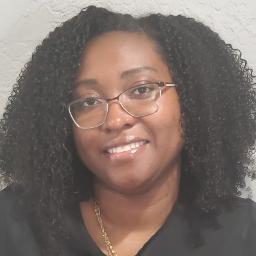
About Phyllis
She draws on nine years of experience in settings that included community response after mass violence and hospice support for people facing grief and loss. That background shaped her interest in trauma and abuse and in supporting people through grief, caregiver stress, and burnout. Her work has also included helping people with depression, bipolar concerns, workplace stress, social anxiety, and relationship or parenting strains.
In sessions she blends client-centered work with cognitive behavioral and solution-focused techniques. That means conversations focus on the client's needs, practical steps to change unhelpful thoughts and behaviors, and short-term goals that feel achievable. She also uses trauma-focused ideas that prioritize safety, choice, and empowerment in planning care.
Phyllis values practical tools like wellness activities, expressive practices, and skill-building. She helps people gather strategies for coping, improved communication, and stronger boundaries. Her goal is to help clients grow more self-awareness and leave with a toolbox they can use between sessions.
Sessions are conducted in English and are grounded in respect and collaboration. People interested in working with Phyllis should confirm current session options before booking and can begin by following the site's Start Therapy steps.
How her approaches shape online care
Phyllis commonly uses client-centered therapy and cognitive behavioral therapy to guide sessions. Client-centered therapy focuses on listening, respect, and helping people make their own choices about goals and next steps. Cognitive behavioral therapy looks at how thoughts and behaviors interact and teaches practical skills to reduce anxiety or depression.She also draws on trauma-focused methods that emphasize safety, choice, collaboration, trustworthiness, and empowerment when addressing trauma and abuse. Together these approaches help tailor sessions to what the person needs now, whether that means building coping tools, processing hard experiences, or setting short-term goals.
Finding the right approach is part of the work. Phyllis will collaborate with each person to decide which methods fit their needs, goals, and preferences. That may mean trying a mix of approaches and adjusting based on what helps most.
Confirm the current online session options before booking, as formats are not specified here. Online therapy can make it easier to fit sessions into a busy week, reduce travel time, allow shorter check-ins when needed, and let people work from a quieter space that suits them. Licensed professionals can adapt CBT, client-centered, and trauma-informed techniques effectively in remote sessions to focus on skills, problem solving, and processing difficult experiences.
Frequently asked questions
What concerns does she focus on?
She helps people with trauma and abuse, anxiety, depression, grief, caregiver stress, relationship and parenting strains, workplace issues, and related challenges.
How would you describe her therapy style?
Her style is collaborative and practical, combining client-centered listening with cognitive behavioral and solution-focused techniques to set achievable goals.
What kind of experience does she bring?
She has nine years of clinical experience, including work supporting survivors after mass violence and work in hospice with families dealing with grief.
What credentials and region does she practice in?
She is a Licensed Clinical Social Worker (LCSW) licensed in Florida and practices there.
Which languages are supported in sessions?
Sessions are offered in English.
Can people outside the U.S. work with her?
International clients are not currently accepted.
How much do sessions cost?
Cost varies with location and therapist availability, and sessions use a subscription that can be canceled at any time.
How do I begin working with her?
Use the Start Therapy button, complete the short matching questionnaire, and schedule according to therapist availability.