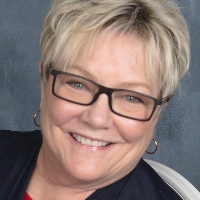
- Trauma and abuse focus
- 40 years experience
- Florida based LCSW
About Penny
She has practiced in hospitals and clinics alongside medical teams, including dialysis settings and hospice care. That background shapes how she approaches grief, end-of-life concerns, and complex medical-related stress. She also has long experience with substance use and adjustment disorders.
Penny draws on Cognitive Behavioral Therapy and psychodynamic ideas to tailor care to each person’s needs. That means looking at patterns of thought and behavior while also attending to deeper life stories that shape how someone responds to stress. She aims for practical changes alongside better self-understanding.
Her specialty areas include trauma and abuse, addictions, depression, anxiety, relationship and intimacy issues, caregiver stress, and compassion fatigue. She also addresses sleep problems, anger, self-esteem, career questions, bipolar concerns, and obsessive-compulsive patterns. Additional focuses include abandonment, attachment issues, divorce and separation, and hospice and end-of-life counseling.
Penny trained at Wayne State University in Detroit, Michigan, earning a BA and a Master of Social Work. She holds an LCSW credential and has worked across many clinical settings. People looking to begin therapy are invited to use the Start Therapy button and complete the short matching questionnaire to set up a first session.
How Penny’s approaches translate to online care
Her work uses Cognitive Behavioral Therapy and psychodynamic ideas to guide the process. CBT looks at thoughts and behaviors and helps people try small changes that ease symptoms like anxiety, sleep problems, or compulsive habits. Psychodynamic therapy pays attention to patterns that repeat over time and how past relationships shape current responses, which can help with grief, attachment, and long-standing relationship concerns.Choosing the right approach is a shared process. Penny will discuss your goals and preferences and suggest whether CBT, psychodynamic work, or a mix might be best. The plan can change as you learn what helps and what feels useful in your daily life.
Details about session formats are not listed in the biography, so please confirm the available options before booking. In general, online therapy can make it easier to fit sessions around work, caregiving, or medical appointments, reduce travel time, and allow shorter check-ins when schedules are tight. Licensed professionals can adapt exercises, homework, and check-ins to work well at a distance and help clients apply new skills between sessions.
Frequently asked questions
What kinds of concerns does Penny help with?
Penny works with a broad range of concerns including trauma and abuse, addictions, grief, depression, anxiety, relationship and intimacy issues, caregiver stress, and end-of-life matters.
What is her general therapy style?
She combines Cognitive Behavioral Therapy and psychodynamic ideas to address present-day patterns and deeper personal history. Sessions aim for practical changes alongside increased self-understanding.
How much clinical experience does she have?
She brings 40 years of practice across medical and mental health settings, including work with dialysis patients, the terminally ill, grieving people, and substance use concerns.
What are her credentials and where is she based?
She holds an LCSW credential and is located in Florida. Her academic training includes a BA and a Master of Social Work from Wayne State University.
Can I work with her if I live outside the United States?
Sessions are offered to international clients as noted in the profile. Language of service is English.
Which session formats does she offer?
Session formats are not specified in the biography; please confirm current session options before booking so you know what formats are available.
How is pricing handled for sessions?
Cost varies with location and therapist availability; sessions use a subscription that can be canceled at any time.
What do I do to get started?
Click the Start Therapy button, complete the short matching questionnaire, and then schedule according to the therapist's availability.