- Addictions and trauma
- Clear practical steps
- Compassionate listening
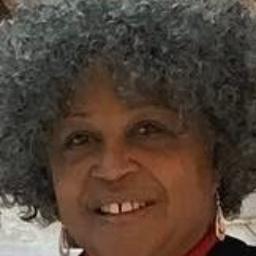
About Paula
Paula uses straightforward conversations to help clients build self-love and better communication. She supports those dealing with substance use, domestic violence, sexual assault recovery, grief, and end-of-life concerns. She also helps people facing career changes, identity questions, and the challenges of blended families.
Her style combines client-centered listening with tools from Cognitive Behavioral Therapy and motivational interviewing. Paula draws on existential and mindfulness ideas when people need space to reflect on meaning, values, and everyday coping skills. Sessions focus on identifying patterns, setting small goals, and practicing new ways of responding.
Paula pays attention to cultural context and the realities veterans and armed forces families may bring. She emphasizes practical skills for managing anxiety, anger, depression, and process addictions such as gambling or problematic sexual behavior. The work is collaborative - she and the client decide what moves are helpful.
Paula maintains a steady, compassionate presence while people work through painful events and rebuild routines. She encourages clear communication, realistic goal-setting, and steady steps toward recovery and personal growth.
How Paula’s approaches fit online work
Client-Centered Therapy focuses on listening and helping people feel understood. It supports people who need a steady, accepting space to talk through grief, trauma, and relationship challenges.Cognitive Behavioral Therapy (CBT) looks at thoughts and behaviors and teaches simple skills to change unhelpful patterns. CBT is often used for anxiety, depression, addictions, and stress management.
Motivational Interviewing helps people find their own reasons to change and set realistic goals, which is useful for substance use and other behavior change work.
Finding the right approach is part of the process. Paula works collaboratively with each person to decide which methods fit their goals, needs, and preferences. She checks in and adjusts the plan as progress unfolds.
If you are considering online therapy, confirm which session formats are offered before booking. Many clients appreciate online options because they can fit therapy into a workday, reduce travel time, or choose a shorter check-in when needed. Licensed professionals can use a mix of conversation and skill practice in remote sessions to help build coping tools and track progress over time.
Frequently asked questions
What concerns does Paula address?
She helps people with addictions, trauma and abuse, relationship and family problems, grief, anxiety, depression, anger, self-esteem, and career concerns.
How would you describe her therapeutic style?
Her style is client-centered and practical, combining listening with concrete tools from Cognitive Behavioral Therapy and motivational interviewing.
What is her professional background?
Paula has 27 years of clinical experience working with substance use, domestic violence, sexual assault recovery, hospice and end-of-life counseling, and multicultural issues.
What credentials and region are associated with this therapist?
She holds the LPC credential and practices in Colorado, with licensure noted for CO LPC and GA LPC in her records.
Which languages are supported for sessions?
Sessions are offered in English.
What session formats are available?
Confirm current session options before booking so you know which formats are being offered at the time.
How are costs handled for therapy?
Cost varies with location and therapist availability; sessions use a subscription that can be canceled at any time.
How do I begin working with this therapist?
Use the Start Therapy button, complete a short matching questionnaire, and schedule according to therapist availability.