- Client-centered listening
- CBT and DBT skills
- Substance use experience
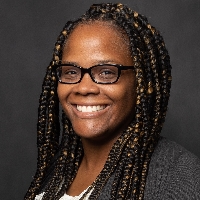
About Naharia
She draws on several practical approaches to tailor support to each person. Dr. Heard uses client-centered listening to create space for a person to describe what matters most. She applies cognitive behavioral techniques to identify and change unhelpful thinking and DBT strategies to build emotion regulation and distress tolerance skills.
Her background includes a Doctorate in Mental Health Counseling and experience addressing sexual abuse and combat-related concerns. She also holds credentialing as a substance abuse counselor and brings experience with family and relational difficulties. This experience informs work on coping skills, relapse prevention, and managing compassion fatigue.
In sessions she often combines talk-based exploration with concrete skill practice. People can expect collaborative goal-setting, skill coaching, and attention to patterns that affect daily life. The approach is practical and focused on steps people can try between meetings.
Dr. Heard practices in Virginia and conducts sessions in English. Before booking, readers should confirm the current session formats available and scheduling details through the platform.
How therapeutic approaches guide online work
Client-centered therapy focuses on listening and empathy so people can tell their story and set their own goals; it helps when someone needs a respectful space to sort feelings and priorities. Cognitive behavioral therapy (CBT) looks at thinking and behavior patterns and teaches practical exercises to reduce anxiety, depression, and unhelpful reactions. Dialectical behavior therapy (DBT) emphasizes emotion regulation, distress tolerance, and interpersonal skills for people who experience intense emotions.Finding the right approach is a collaborative process. The therapist will discuss goals, preferences, and day-to-day challenges to identify which methods to use. That plan can change as progress is made, with sessions adapting to what works best for the person.
Practical benefits of online therapy can include fitting sessions into a busy schedule and keeping momentum between appointments. Because the biography does not list specific session formats, confirm available options before booking. The focus is on making therapy usable in everyday life - shorter check-ins when needed, concrete skills to practice between meetings, and flexible scheduling to match work and family demands.
Frequently asked questions
What kinds of concerns does this therapist address?
She works with stress, anxiety, depression, relationship and family issues, trauma and abuse, substance use, grief, intimacy problems, anger, self-esteem, career concerns, and compassion fatigue.
What is her general therapy style?
Her style blends client-centered listening with practical skill work. Sessions focus on identifying patterns, setting goals, and practicing tools between meetings.
How much clinical experience does she have?
She has ten years of counseling experience and a background working with people who face mental health and relationship stressors.
What credentials and location are listed?
She is a Licensed Professional Counselor (LPC) practicing in Virginia and holds a Doctorate in Mental Health Counseling.
Which languages are supported and can she work with international clients?
Sessions are offered in English. She does not accept international clients at this time.
What session formats are available?
The original biography does not specify session formats; please confirm the current session options before scheduling.
How are fees and payment handled?
Cost varies with location and therapist availability; sessions use a subscription that can be canceled at any time.
How do I begin working with this therapist?
Select the Start Therapy button, complete a short matching questionnaire, and schedule according to the therapist's availability.