- Trauma and abuse support
- Relationship and parenting
- Skills for emotion regulation
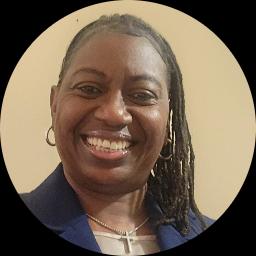
About Michelle
She creates a calm, nonjudgmental space where clients can talk about hard feelings and everyday problems. Conversations are practical and grounded, aimed at reducing distress and improving daily functioning. She supports people through grief, life transitions, and challenges tied to work, sleep, or eating habits.
Her approach draws on Cognitive Behavioral Therapy to help people spot unhelpful thinking patterns and try small behavioral changes. Dialectical Behavior Therapy skills are used to teach emotion regulation and distress tolerance when feelings feel overwhelming. Solution-Focused Therapy helps keep sessions goal-oriented so progress is measurable and time feels well used.
Dr. Burns also offers coaching for life purpose, self-love, and career concerns, and she addresses compassion fatigue among caregivers. She brings experience with issues related to aging, cancer, divorce, and forgiveness without assuming one path fits everyone.
If you decide to reach out, expect straightforward conversation and practical tools you can try between sessions. She encourages people who are nervous about beginning therapy and supports collaborative planning of next steps.
How these approaches guide online work
Dr. Burns often uses Cognitive Behavioral Therapy to help people notice thoughts that lead to distress and practice small, concrete behavior changes. CBT can be useful for anxiety, depression, and sleep or eating concerns.She also draws on Dialectical Behavior Therapy skills to teach emotion regulation, distress tolerance, and interpersonal effectiveness. DBT-style skills help when emotions feel intense or relationships are a frequent source of stress.
Finding the right approach is part of the process. She collaborates with each person to choose methods that match their goals, needs, and preferences. Sessions are a joint effort to test tools and adjust the plan when something isn’t working.
Confirm current session options before booking, as formats are not specified here. Online work can make it easier to fit therapy into a busy schedule, shorten commute time, or allow shorter check-ins during a break. It can also let people join from different locations when travel would be difficult. Talk with the therapist when you schedule to clarify which session formats are available and which will best fit your routine and goals.
Frequently asked questions
What concerns does she help with?
She helps people with relationship strain, parenting challenges, anger, anxiety, depression, trauma and abuse, grief, and related life changes.
What is her therapeutic style like?
Sessions tend to be practical and conversational with tools you can use between visits. She blends structured skills work and goal-focused discussion.
How much experience does she have?
She has 20 years of professional experience working with a range of concerns including stress, self-esteem, and compassion fatigue.
Where is she licensed and located?
She practices in South Carolina and holds the LPC credential reflected as LPC.
Which languages are available for sessions?
Sessions are offered in English.
Can I work with her from another country?
She does not accept international clients at this time.
How much do sessions cost?
Cost varies with location and therapist availability; sessions use a subscription that can be canceled at any time.
How do I begin working with her?
Select the Start Therapy button, complete a short matching questionnaire, and schedule according to therapist availability.