- Goal oriented
- Faith integrated option
- Mindfulness and ACT
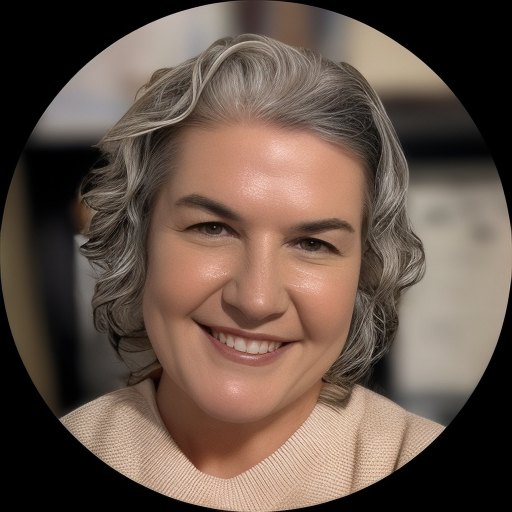
About Mary
Mary Jo focuses on anxiety, depression, grief, trauma and abuse, stress, and self-esteem concerns. She also helps people navigating parenting challenges, workplace strain, relationship problems, and life transitions. Other areas she addresses include ADHD, OCD, eating concerns, bipolar mood challenges, and postpartum or pregnancy-related issues.
Her process is collaborative and goal-oriented. She uses cognitive behavioral strategies, acceptance and commitment ideas, attachment-informed work, client-centered listening, and mindfulness tools to tailor treatment to each person. Sessions typically combine practical skills, reflective conversation, and steps people can try between meetings.
Mary Jo can integrate faith when clients request it, offering Biblically informed perspectives alongside psychological approaches. That option is presented in a straightforward way and only used when it fits the client’s preferences and goals.
With a background that includes work on multicultural concerns and family-related stress, she pays attention to how context and identity shape struggles. She aims to build trust, offer motivation, and help people find renewed hope as they move toward steady change.
Online approaches that match your goals
Acceptance and Commitment Therapy (ACT) helps people notice their thoughts without getting hooked by them and choose actions that match their values. It is often useful for anxiety, stress, and for making life changes that feel meaningful.Cognitive Behavioral Therapy (CBT) focuses on identifying unhelpful thinking and testing new behaviors to reduce symptoms like worry or low mood. It provides concrete tools that people can practice between sessions to manage anxiety, depression, and obsessive thoughts.
Attachment-Based Therapy looks at how early relationships shape current patterns and helps people build healthier ways of relating. This approach can be helpful for attachment concerns, relationship difficulties, and healing from abandonment or betrayal.
Choosing the right approach is part of the work. The therapist will collaborate with each person to pick methods that match their needs, goals, and preferences. Plans are adjusted over time based on what is helpful and what feels workable for day-to-day life.
If you are considering online therapy, check the current session options before booking so you know what formats are offered. Online sessions can make it easier to fit therapy into a busy schedule, reduce travel time, and allow shorter check-ins when needed. Licensed professionals can use these methods effectively over virtual appointments, and the therapist will help shape sessions so they fit your routine and goals.
Frequently asked questions
What kinds of concerns does Mary Jo address?
She helps people with stress, anxiety, depression, grief, trauma and abuse, parenting struggles, self-esteem, relationship and family problems, and related issues such as OCD, ADHD, eating concerns, and postpartum difficulties.
What is her general therapy style?
Her style is collaborative and goal-oriented with a focus on comfort and trust. Sessions combine practical skills, reflective conversation, and steps to try between meetings.
How much experience does she have?
She has 12 years of experience working in counseling settings and with a range of concerns from anxiety to trauma and adjustment to life changes.
What credentials and location are listed?
She is an LPC and an LCMHC and practices in North Carolina. The credentials shown are LPC and LCMHC.
Which languages are sessions offered in?
Sessions are offered in English.
Can people from other countries work with her?
She does not accept international clients.
How are fees and scheduling handled?
Cost varies with location and therapist availability, and sessions use a subscription that can be canceled at any time.
What should I do to begin therapy?
Click the Start Therapy button, complete a short matching questionnaire, and then schedule according to the therapist’s availability.