- Trauma-aware practice
- LGBT-affirming care
- Practical coping skills
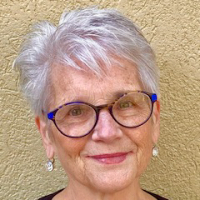
About Marcia
Her practice addresses depression, anxiety, stress, and addiction concerns. She also offers support around relationship problems, grief, and intimacy-related issues. Marcia is experienced in working with LGBT clients and helps people explore identity and its effects on everyday life.
Marcia emphasizes evidence-based therapeutic techniques in her work. She helps clients build coping skills, identify strengths, and make small changes that feel manageable. Sessions are grounded in respect and steady listening rather than quick fixes.
People often come to her when facing life transitions, struggling with self-esteem, or dealing with chronic anger and eating concerns. She also supports clients managing bipolar symptoms, ADHD-related challenges, and recovery-focused goals. Her approach balances practical coaching with clinical care.
Clients who choose this practice can expect calm, straightforward guidance. Marcia helps people set realistic goals and work toward them step by step. The focus is on improving daily functioning and restoring a sense of control.
For anyone considering therapy, Marcia invites a careful, collaborative start. She aims to meet people where they are and to help them find tools that fit their lives.
How evidence-based techniques translate to online care
Marcia bases her work on evidence-based therapeutic techniques that focus on practical change and skill building. One common approach she uses emphasizes developing coping skills and behavior changes to reduce distress and improve daily functioning; this helps with anxiety, stress, and mood problems. Another approach centers on exploring personal identity and relationships to improve connection and self-understanding; this can be useful for LGBT clients, intimacy issues, and relationship concerns.Finding the right approach is a collaborative process. Marcia works with each person to identify which techniques match their needs, goals, and preferences. She adapts methods over time based on what is most helpful for the individual.
If you are considering online therapy, confirm the specific session formats before booking since they are not listed in the biography. Online work can make attending sessions easier to fit into a busy life, reduce travel time, and allow for regular check-ins during transitions. It can also make it simpler to maintain continuity when schedules change or when a shorter, focused check-in is needed.
Frequently asked questions
What kinds of problems does Marcia help with?
She works with stress, anxiety, depression, addictions, relationship and family concerns, grief, and trauma and abuse among other issues.
How would you describe her therapeutic style?
Her style is affirming and practical. She listens closely, helps set realistic goals, and focuses on building useful coping skills.
How much experience does she have?
Marcia has 46 years of clinical experience providing psychotherapy and support to people facing a wide range of emotional challenges.
What are her credentials and where does she practice?
She is a licensed clinical social worker, LCSW, practicing in Florida.
Can I see her if I live outside the United States?
Sessions are offered in English and international clients are not currently accepted.
What session formats are available?
The original biography does not specify session formats; please confirm current session options before booking.
How are fees handled?
Cost varies with location and therapist availability; sessions use a subscription model that can be canceled at any time.
How do I begin working with her?
Use the Start Therapy button, complete the short matching questionnaire, then schedule according to therapist availability.