- Client-focused goals
- Trauma and addiction
- Mindfulness and EMDR
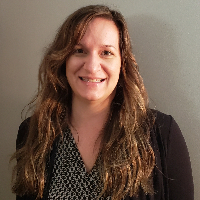
About Leslie
With ten years of clinical experience, Leslie has worked extensively with people facing substance use concerns and co-occurring challenges such as anxiety, depression, bipolar disorder, and ADHD. She has supported people impacted by domestic violence, drug and alcohol addiction, and various forms of abuse. Her background centers on meeting people where they are and responding to the real obstacles they face.
Leslie’s approach draws on existential ideas about meaning and resilience. She frames difficulties as part of a life story that can be understood and changed. She also uses client-centered methods that prioritize each person’s goals and timing.
To help clients make concrete changes, Leslie integrates cognitive behavioral techniques and motivational interviewing tools. She may also use eye movement desensitization and reprocessing (EMDR) and mindfulness practices when they fit a person's needs. Sessions tend to focus on clear, manageable steps toward relief and recovery.
People who choose to work with Leslie can expect honest conversation, focused goal-setting, and support navigating strong emotions. She invites anyone who is ready to address what’s holding them back to take the first step and begin the process.
Approaches that guide online work and healing
Leslie commonly uses client-centered therapy to place each person's goals at the center of sessions. This approach means conversations follow what matters most to the client, and the therapist helps shape steps that feel achievable. Cognitive behavioral therapy (CBT) is also a core method she draws on; CBT breaks problems into thoughts, feelings, and actions and helps people try practical experiments to reduce symptoms and improve daily functioning.Finding the right method is part of the work. Leslie will collaborate with each person to choose approaches that match their needs, goals, and comfort level. She adapts techniques over time so the plan stays practical and meaningful for the client.
Session formats are not specified in the biography, so confirm current options before booking. Online sessions can make it easier to fit therapy into a busy life and reduce travel time. They also allow for shorter check-ins or regular weekly work without rearranging a full day. Talk with Leslie about what will work best so sessions support daily routines and treatment goals.
Frequently asked questions
What concerns does Leslie address in therapy?
Leslie works with people dealing with addictions, trauma and abuse, anxiety, depression, bipolar disorder, ADHD, grief, anger, relationship stress, and career-related issues.
How would you describe her therapeutic style?
She blends an existential outlook with client-centered care, using short-term solution goals alongside techniques from cognitive behavioral therapy and motivational interviewing.
What is Leslie's clinical experience?
She has ten years of experience and has primarily worked as a substance use counselor supporting people with co-occurring disorders and trauma histories.
What credentials and location are listed for this therapist?
Leslie holds the LCMHC credential and practices in North Carolina.
Which languages are supported for sessions?
Sessions are offered in English.
Can people outside the United States work with her?
International clients are not currently accepted.
How are fees and billing handled?
Cost varies with location and the therapist's availability; sessions use a subscription that can be canceled at any time.
How do I begin working with this clinician?
Use the Start Therapy button, complete a short matching questionnaire, and then schedule sessions according to the therapist's availability.